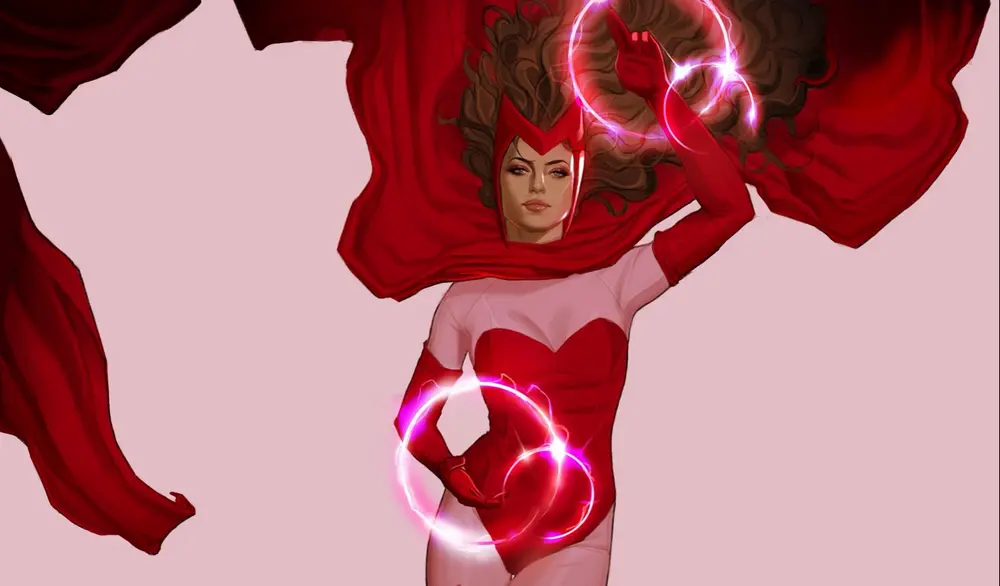
Power your way through Marvel Limited with our mechanics guide!
We now have the official mechanics for Magic: The Gathering | Marvel Super Heroes, and they look pretty sweet. That, combined with the fact that the exact cards will be on Magic Online and MTG Arena (meaning no Through the Omenpaths this time), makes me quite excited for the set. Let’s take a look at the new (and returning) mechanics it’s going to have for us on release day and beyond.
Power-Up
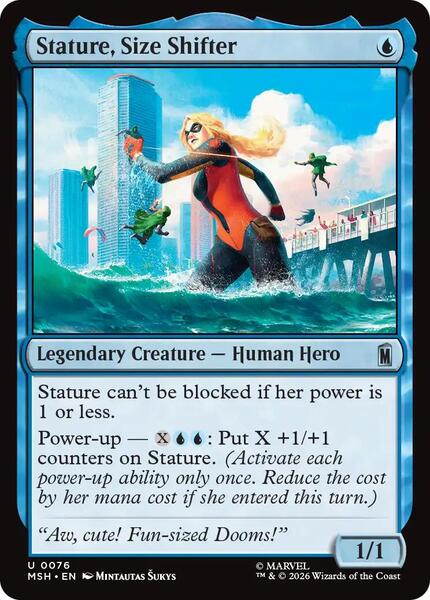
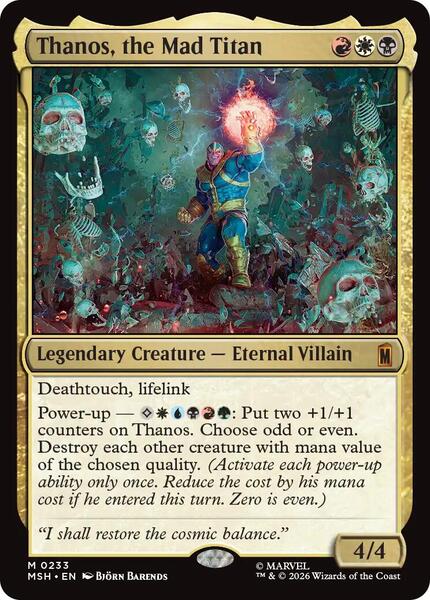
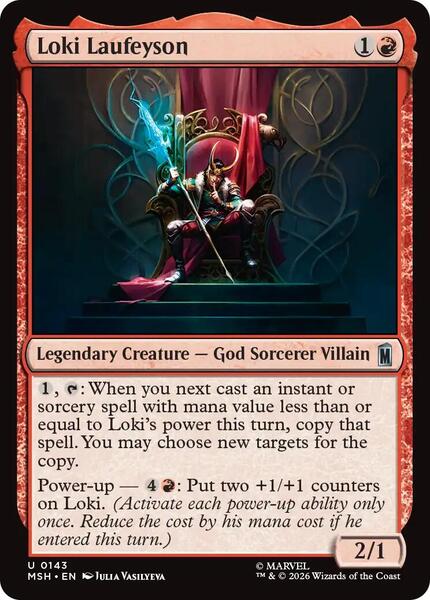
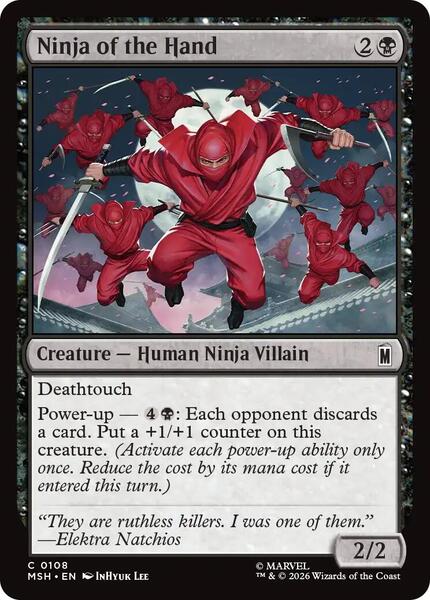
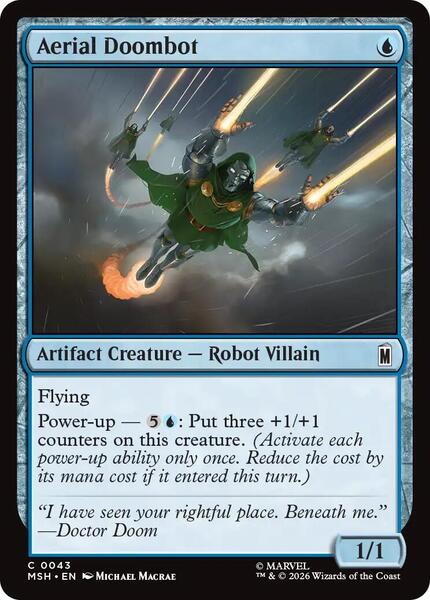
Power-up is a new take on Monstrous, where you pay a cost and put some +1/+1 counters on the creature, and often comes with some nice bonuses as a result. You can do this only once, and if you do it the turn the creature enters, you get a discount equal to its cost. I like this mechanic for both the gameplay and the flavor — it feels appropriate for superheroes (and villains) to power up during battles. It looks like it will play well, giving you plenty to do in the late game, a quasi-enter-the-battlefield feel when you get the discount, and lots of decisions.
Teamwork
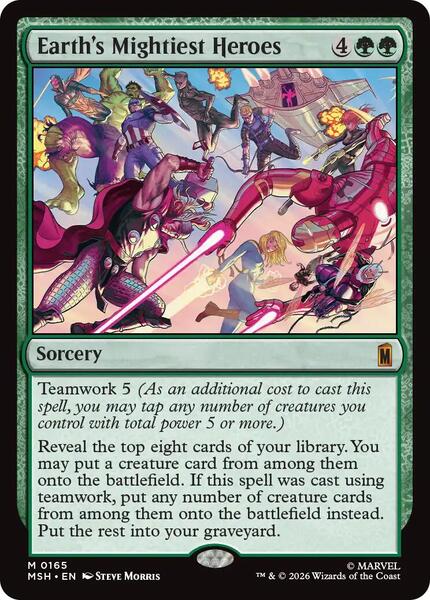
Teamwork is a spell-only mechanic present on some instants and sorceries, and gives you additional benefits if you pay the additional cost. The teamwork cost is how much total power of creatures you need to tap, in any combination (much like crewing a Vehicle). While it’s always optional, some of the spells are sure to be much better if you pay the cost, so I’d strive to do so if possible. This mechanic also rewards you for having a high creature count, though I like that because it keys off power; you can go wide or tall to make it work.
Plan
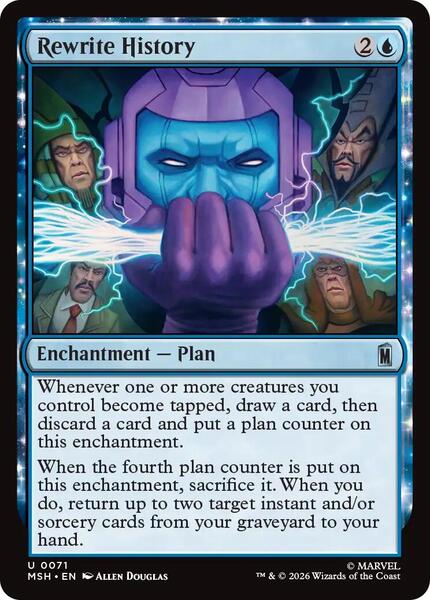
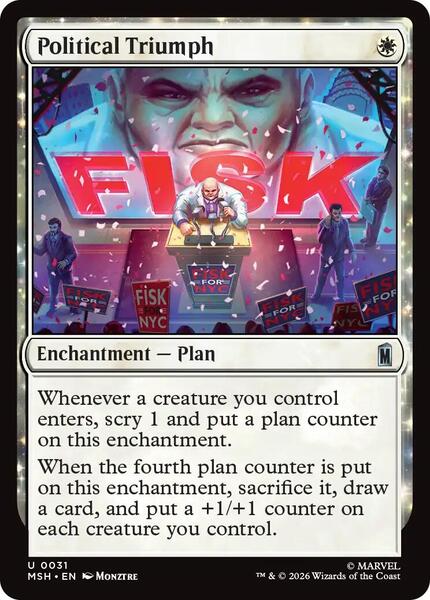
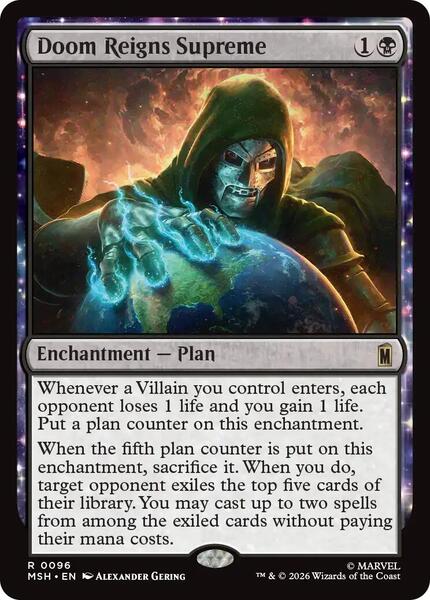
Plan is a new subtype and can be found on several enchantments in the set. Each one does different things, with the common thread being triggers that accumulate plan counters. Once you have enough plan counters, you sacrifice the Plan card and reap a beneficial effect (with what looks like a wide range of outputs). The Plan cards look awesome, and I’m very much looking forward to playing with them in Limited. Having a single card that gives you a sub-game to complete is a ton of fun, and drafting multiple copies of the same Plan sounds like a really synergistic strategy. I have high hopes for Plans, and aim to complete as many as possible.
Connive
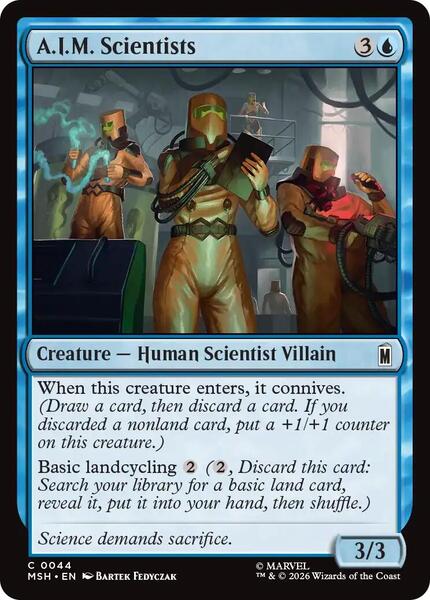
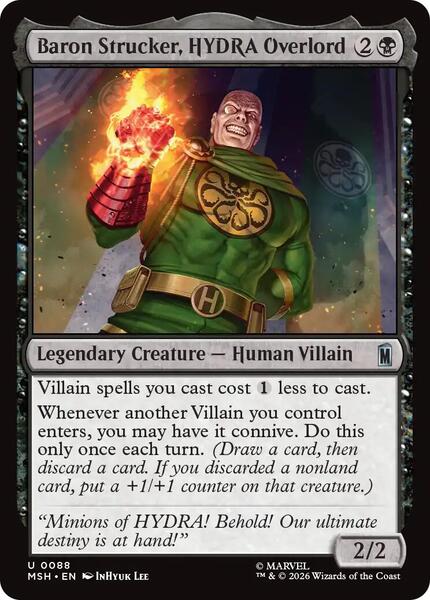
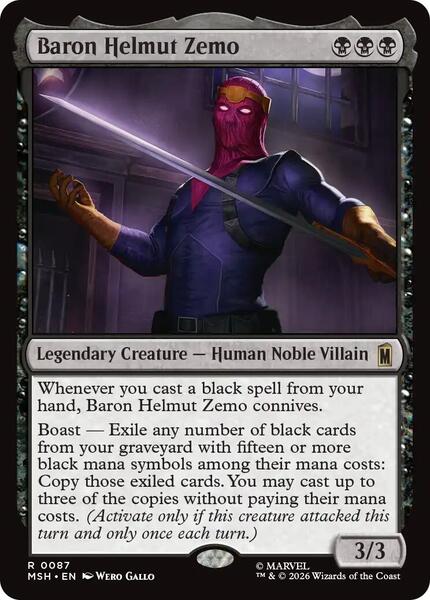
Connive is back, and is a fitting mechanic for a variety of Villains in the set (as seen in Marvel’s Spider-Man). Conniving seems like one of their top activities, and it happens to play quite nicely as well. This makes your deck a bit more consistent, can help fill your graveyard, and is overall just a good, solid mechanic.
Transforming Modal Double-Faced Cards (MDFCs)
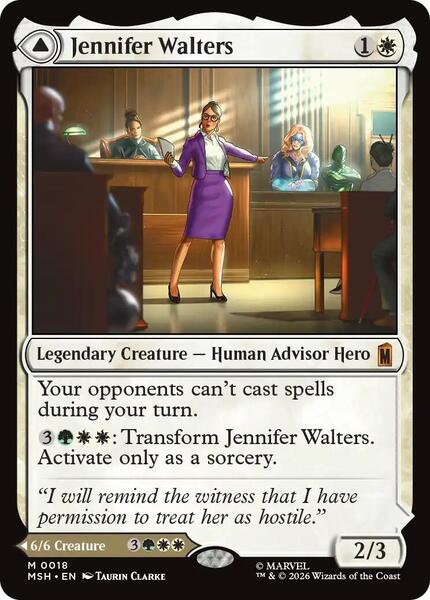
Market Price: $12.38
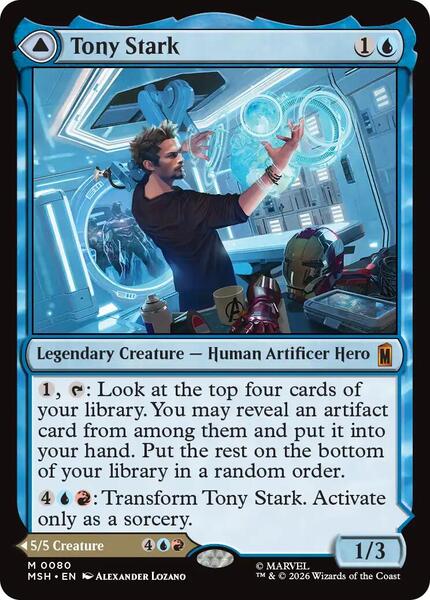
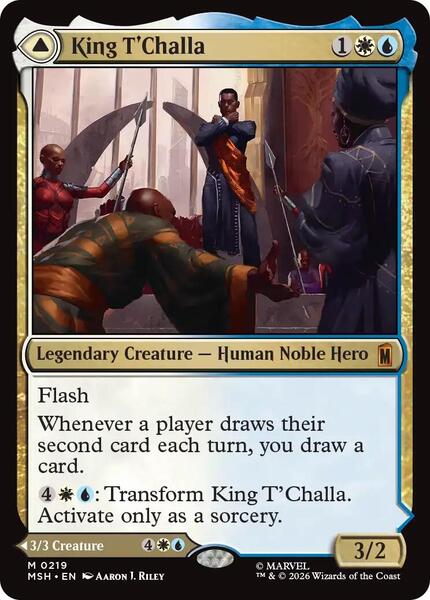
Market Price: $11.86
Much like in Marvel’s Spider-Man, transforming MDFCs are making an appearance. Despite the name being quite the mouthful, the cards tend to play pretty simply. You can choose to cast either side of them, and the “secret identity” side can transform into the Hero/Villain side, though usually not back the other way. I like how these play, as they usually have strong aspects to either side, and in some cases, may be worth playing even without being able to access the back side.
One-Off “Cameo” Cards
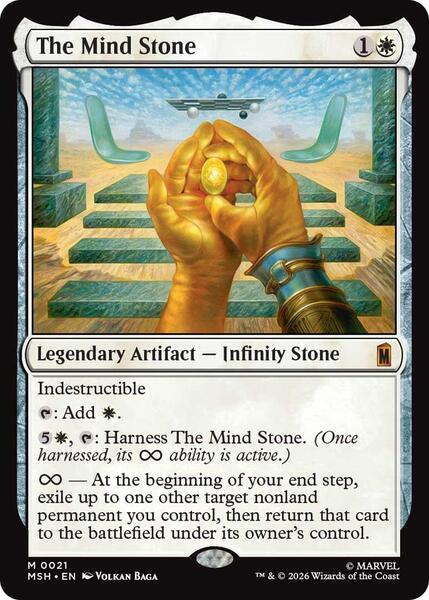
Market Price: $70.65
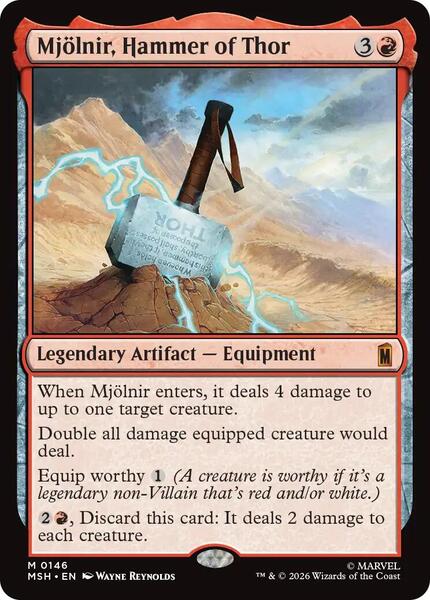
Market Price: $22.28
Lastly, we have two individual cases of a unique mechanic, neither of which is honestly that complicated. The Mind Stone is a mana artifact that becomes a Blink factory once you pay the harness cost — easy enough. Mjolnir, Hammer of Thor checks to see if the recipient is worthy (red and/or white, not a Villain, has to be legendary). If so, you can equip it, and if not, it stays put. Note that if you were to get it onto a creature somehow (say, like a Sigarda’s Aid in Commander), the worthiness check doesn’t happen, and likewise, losing worthiness once equipped doesn’t matter either.