
Everyone’s least favorite land is finally good!
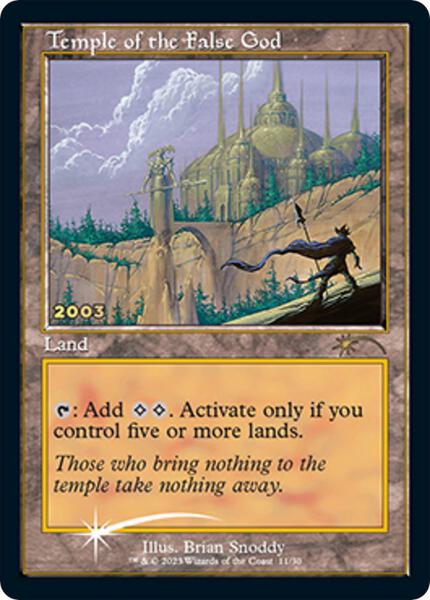
Few lands in Commander are more divisive than Temple of the False God. Commonly maligned for its inclusion in almost every Commander Precon Deck, it’s often the first cut of every single upgrade guide. Even in the last Commander set, the card was printed in FINAL FANTASY: Commander, with our own upgrade guide suggesting cutting it. The land offers a free Ancient Tomb, but only later in the game, and often leads to frustration as players see “keepable” hands ruined by one of their lands being unusable until turn five.
However, the dynamic of Commander has changed since they started printing Temple of the False God all the way in the first Commander set (which was back in 2011, by the way). It’s not a fit for every deck, but with some modern tools, this misunderstood land can be a perfect fit for casual decks.
Has Temple of the False God Always Been Good?
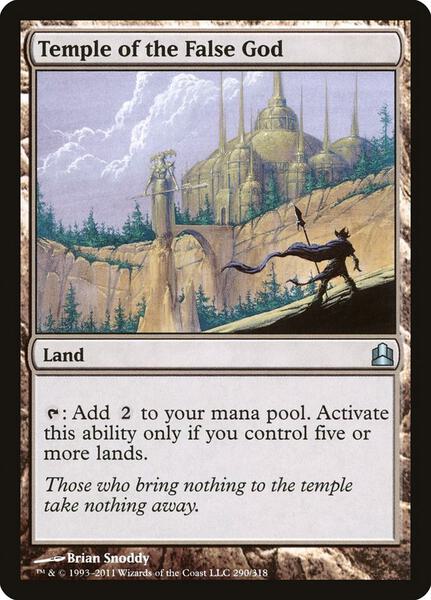
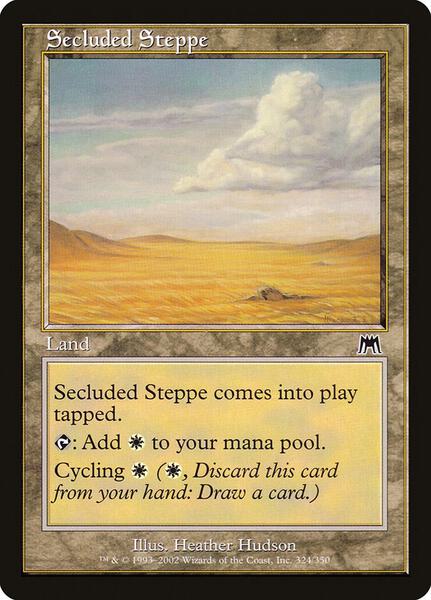
Short answer: no. In the early days of the format, the card pool was much smaller, and land options were lacking. Players were sold on the idea of 38 lands because the ability to flood was much greater, and every Commander Precon Deck came with 38 lands. Utility lands were either clunky cyclers like Secluded Steppe or awkward mana sinks like Arch of Orazca. Games may have been slower, but if you’re tapping six lands to draw one card, you’re probably not doing too well.
Today, the landscape of Magic (no pun intended) has changed. Conscientious design choices by Wizards of the Coast are aimed at making fewer “non-games”, where players either flood or screw.
Market Price: $32.41
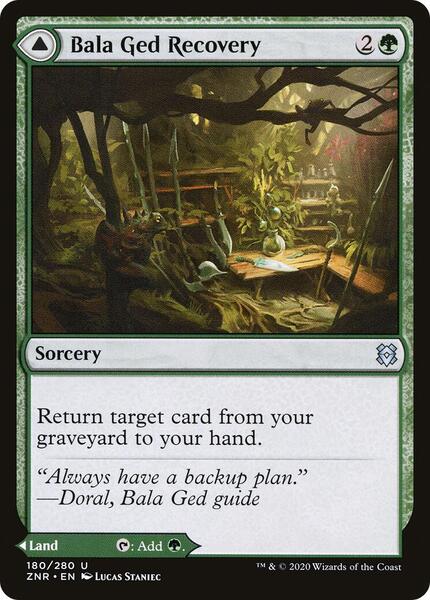
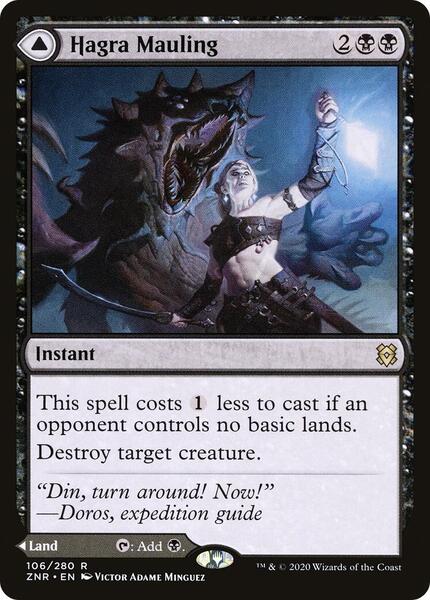
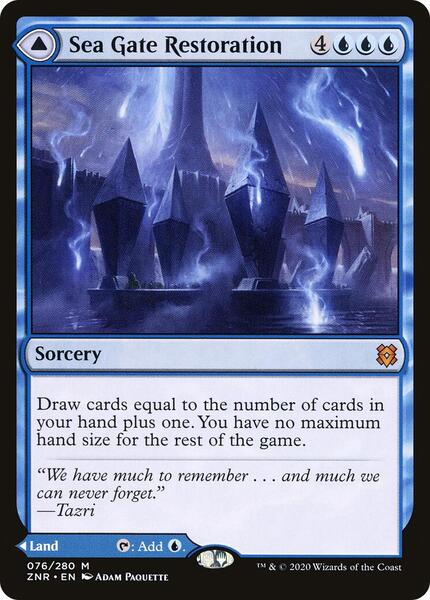
The first crop of support appeared in Zendikar Rising with modal double-faced cards (MDFCs), functioning as both spells and lands. While three mana for a Regrowth or four mana for a Murder isn’t a great rate, it’s better than drawing a Basic Forest or Swamp later in the game. Even Standard decks at the time were running high land counts. Look at Autumn Burchett’s Gruul Aggro deck from the Zendikar Rising Championship — there’s only 20 land “cards” listed, but four copies of Kazandu Mammoth and Shatterskull Smashing bring the amount up to a whopping 28, which is unheard of for an aggro list.
Market Price: $33.90
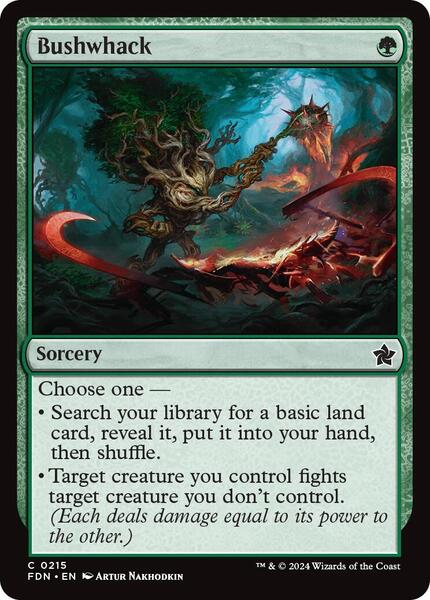
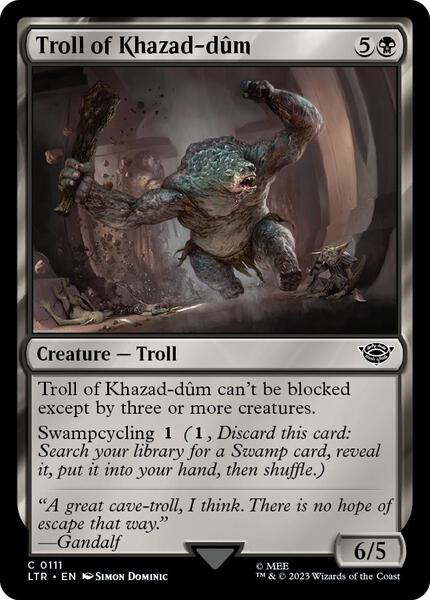
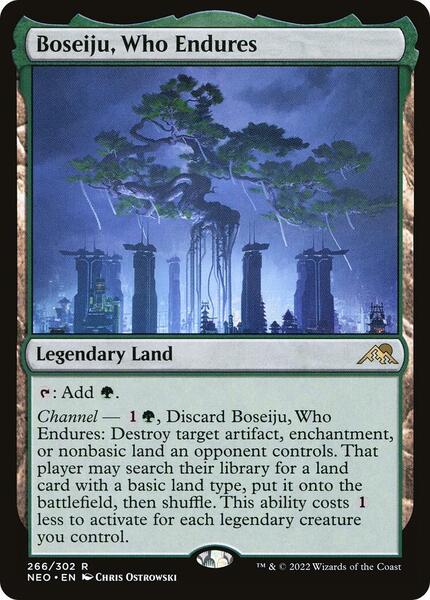
Since Zendikar Rising, more cards have been printed to help alleviate mana issues. Landcyclers from The Lord of the Rings: Tales of Middle-earth have become format staples, with Troll of Khazad-dûm now banned in Legacy. Kamigawa: Neon Dynasty introduced cycling lands with powerful spell-like effects, such as Boseiju, Who Endures, Otawara, Soaring City, and Takenuma, Abandoned Mire. They’re basically free to include in most Commander decks over a Basic Land, but players will often find themselves channeling them as spells. Even innocuous cards like Bushwhack offer subtle ways of fitting more action into your mana base without sacrificing land drops. They even have the upside of being pitchable to cards like Force of Will, Solitude, and Force of Vigor.

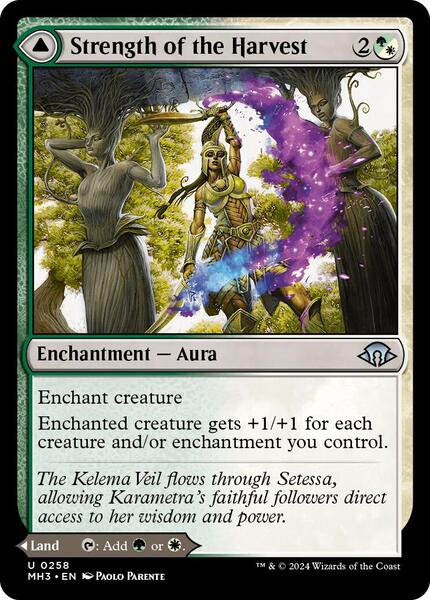
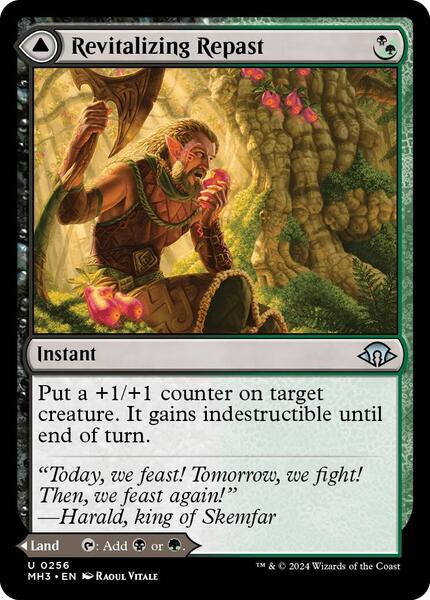
What really cemented mana bases was the crop of MDFCs in Modern Horizons 3. Offering either untapped mana immediately or mana fixing, the large selection of land spells helped make mana bases more reasonable and raised the number of MDFCs in the pool significantly. The amount of “good” MDFCs in Zendikar Rising was lacking, but with some Modern Horizons 3 ones to augment, it’s easy to fit upwards of 10 MDFCs in a two-color Commander deck these days.
But how do a bunch of funky mana base options make Temple of the False God playable? Simply put, mana bases for Commander have always been wrong; we’ve just never had the tools to make them right until now.ARTICLE SPOTLIGHTWhat’s an Optimal Mana Curve and Land/Ramp Count for Commander?Wait, you’re playing 36 lands in a Commander deck!? Frank Karsten’s crunched the numbers on building an optimal mana curve in Commander!Frank Karsten7/15/2022
According to Frank Karsten’s calculations, Commander decks should run anywhere from 38 to 42 lands, with upwards of 50 total mana sources (including ramp). Personally, unless you’re playing a high-powered game that’ll be decided in the first few turns, it’s better to just hit your land drops for eight turns rather than ramp and subsequently miss a land drop and undo that ramp anyway. When you’re able to have hands with five lands, with two or three of them alternatively being action cards, adding a land that doesn’t function until later seems much less painful. If you draw gas, you play your lands. If you hit lands, you hold the multipurpose ones in your hand and start trading your Fell the Profane for real cards.
Temple of the False God Isn’t a Land
Market Price: $17.10
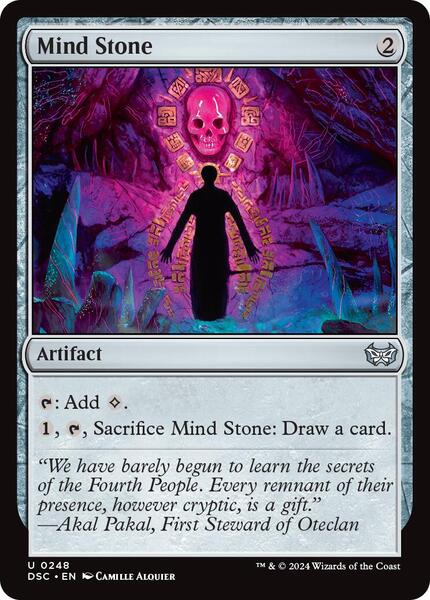
The best way to approach adding Temple of the False God to your deck is to not even think of it as a land card. Most of its bad reputation came from being the 38th land in many Commander Precon Decks, and with players seeing it in their hand as a card that should be a land.
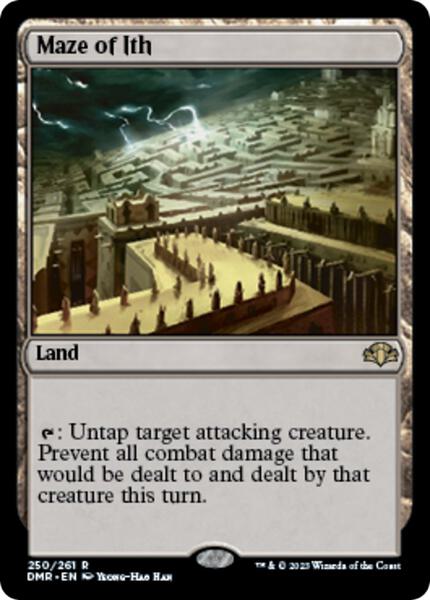
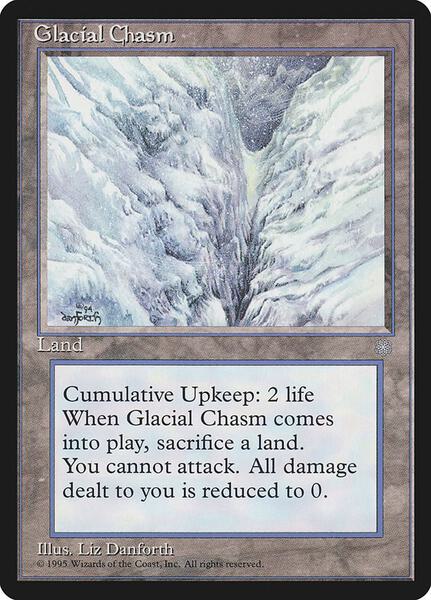
Think of it as a sort of Maze of Ith or Glacial Chasm — neither of them produces mana, but can provide powerful, spell-like effects. While both of these cards can be defensive powerhouses, they’re usually added separately from the actual mana-producing lands in your deck. Change your perception of Temple of the False God to a kind of free Mind Stone – Mind Stone isn’t taking the spot of a land, but rather the spot of a mana accelerant. A two-land hand with just a Mind Stone often doesn’t end well if you’re trying to play a longer game of Commander. However, a three-land hand with a Mind Stone looks a little better. Substitute that Mind Stone with a Temple of the False God, and all you need is one more land to get paid off with free ramp, which is easy to draw into with over 40 lands in your deck.
What Decks Want Temple of the False God, Anyway?
Market Price: $30.69
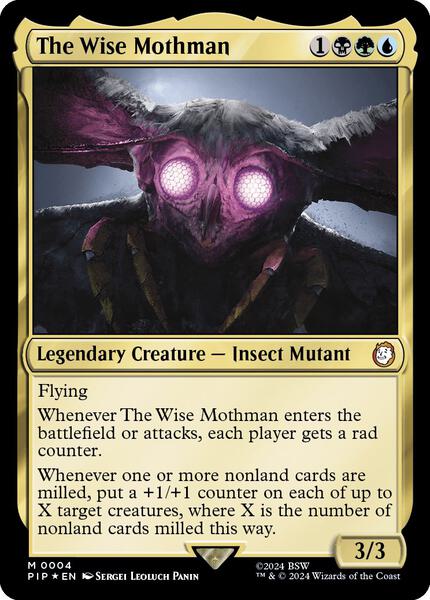
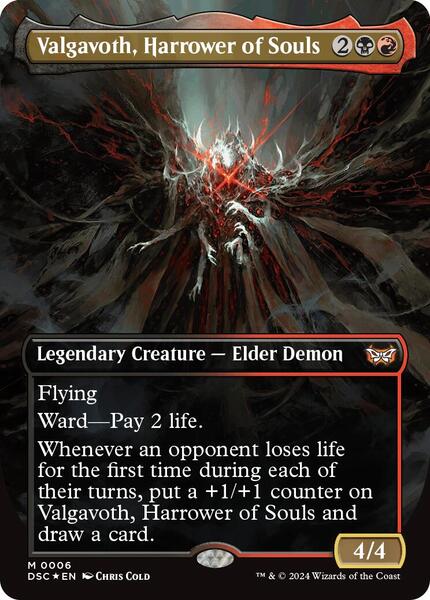
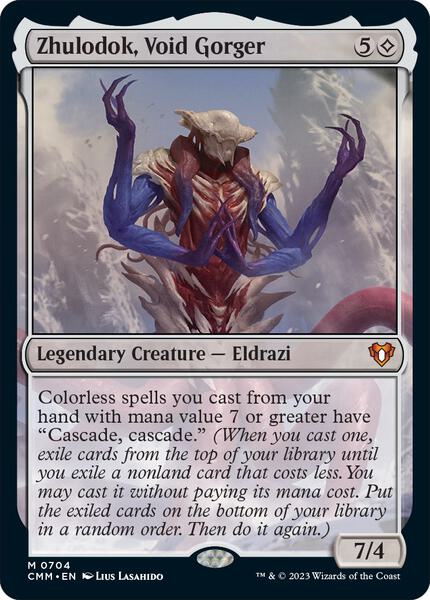
The allure of free ramp can be tempting, but that still doesn’t mean every Commander deck wants to play with Temple of the False God. For starters, a deck will want to aim for around 42 lands, not including the Temple. This seems a bit harsh, but considering all the great options listed above, it’s pretty easy for these mana bases to hover around the low 30s, using MDFCs, landcyclers, and whatever other options to inflate the actual amount of land drops to hit.
Meeting the prerequisite lands for the Temple is easy, but your deck will need to be able to use it. The more colors you add, the less need you’ll have for colorless mana. As a general rule of thumb, Temple of the False God is playable in every mono-color deck, most two-color decks, and some three-color decks.

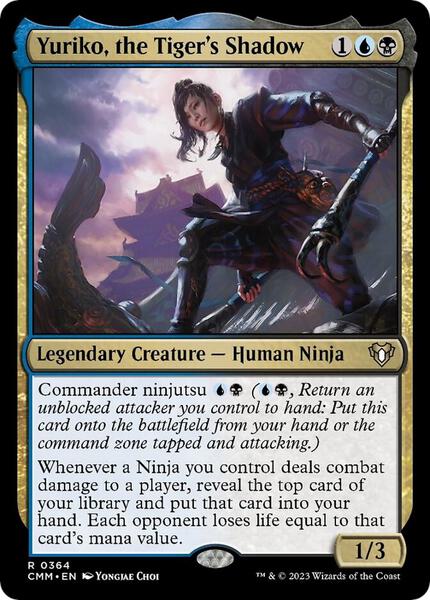
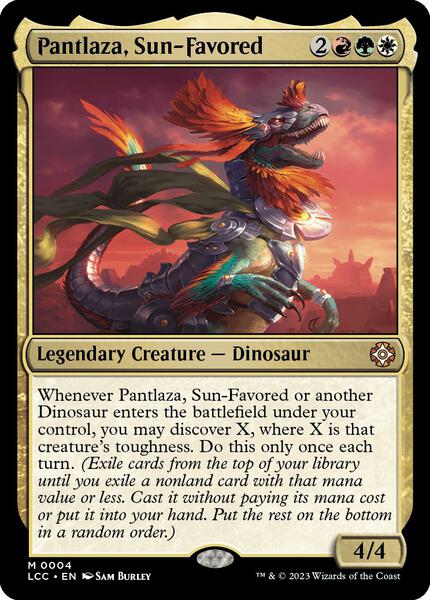
Let’s take three examples from the most-played commanders. Krenko, Mob Boss feels like an easy fit — you’ll have plenty of red sources, and might already be playing colorless ramp anyway. Why not get some ramp for free? Yuriko, the Tiger’s Shadow is a bit sketchier — Yuriko herself doesn’t need colorless mana (are you never not using Ninjitsu?), and the curve of the deck will be low. Maybe you’ll play some expensive spells to hit off Yuriko for maximum damage, but the deck is, by and large, low to the ground, and the costly spells usually come with reduced costs, like Dig Through Time, Force of Will, and Deadly Rollick.
Finally, Pantlaza, Sun-Favored can actually fit the Temple well. Most Dinosaurs have high generic costs alongside their colored costs, and Pantalza even has that magic two generic mana cost to accommodate the Temple. Green decks also ramp using lands more than artifacts, so the odds of Temple of the False God being online even earlier are higher.
There’s no clean heuristic for what decks want the Temple and what decks don’t. Once the amount of lands is high, it’s easy to fit it in, but you’ll have to look at the need for colorless mana first to see if it’s worth it. Try adjusting your mana base first to around 42 lands, then try playing Temple of the False God in there. If you’re constantly tapping the Temple, it’s probably worth it. If you’re not, it can just be substituted for another piece of ramp.
Our One False God
Market Price: $15.74
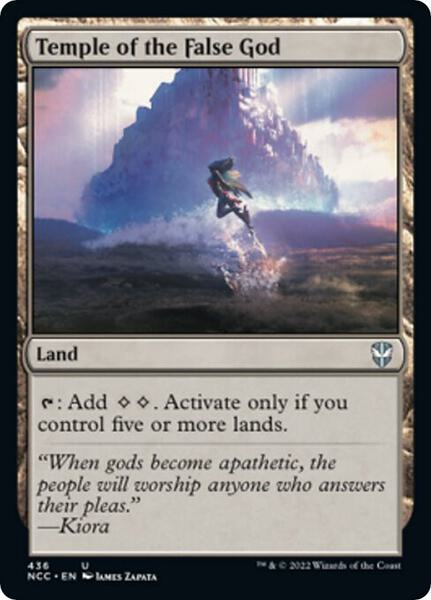
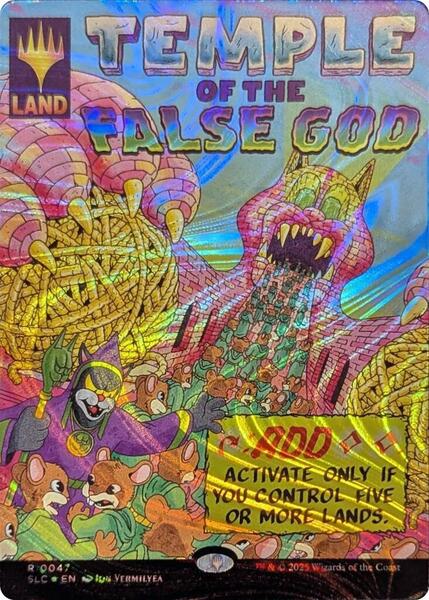
Commander players have spent years cutting Temple of the False God from every Precon Deck there is, but with today’s card pool, maybe it’s time to start cutting cards around it. Having a free Ancient Tomb later in the game is powerful for low and medium-powered games, and the upside of building your deck to avoid being mana screwed or flooded is a reward all its own. While it’s not going to shake the foundation of every deck, Temple of the False God offers some godly power that’s been hiding right under our noses.