
Powerful cards, infinite possibilities
Secrets of Strixhaven returns to the plane of Arcavios and its most prestigious institution, while ambitious students dare to explore what lies beyond the walls of their school. The new cards also spark the imagination of deck builders everywhere, offering a treasure trove of enablers for infinite or game-winning combos. The power they unleash is enough to leave your opponents stunned, staring at the battlefield in disbelief.
The Infinite and Game-Winning Combos from MTG’s Secrets of Strixhaven
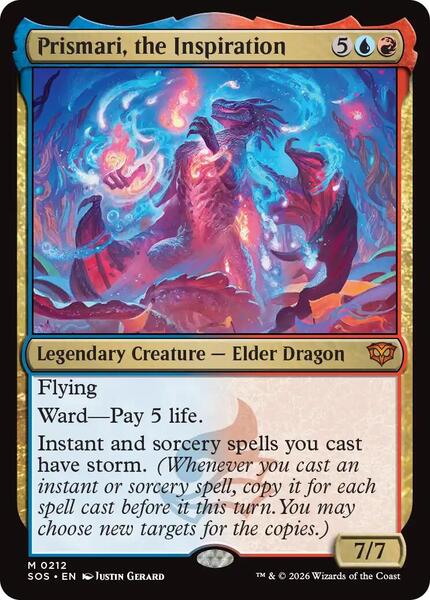
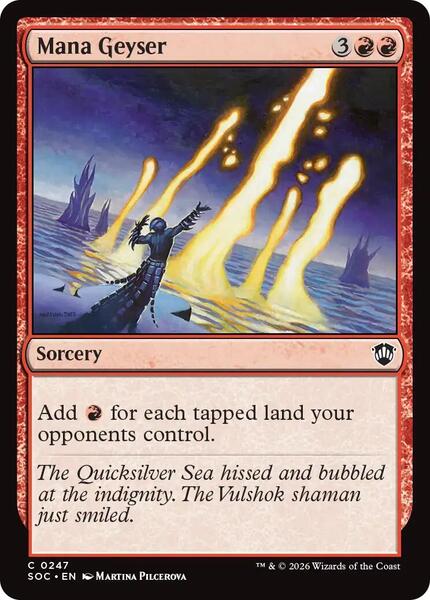
Market Price: $18.54
- Read More: Team TCGplayer’s Prerelease Guide to Secrets of Strixhaven
- Read More: Every Secrets of Strixhaven Mechanic Explained
This article spotlights 20 of the most delightfully devious combos the main set has to offer, presented alphabetically so you can quickly find your favorite card. Each one is either infinite or outright game-ending, making most of them prime candidates for Commander shenanigans, with a few even poised to break into Constructed formats. It’s time to prepare for class, study up, and unleash the full power of Secrets of Strixhaven!
Berta, Wise Extrapolator (Modern)
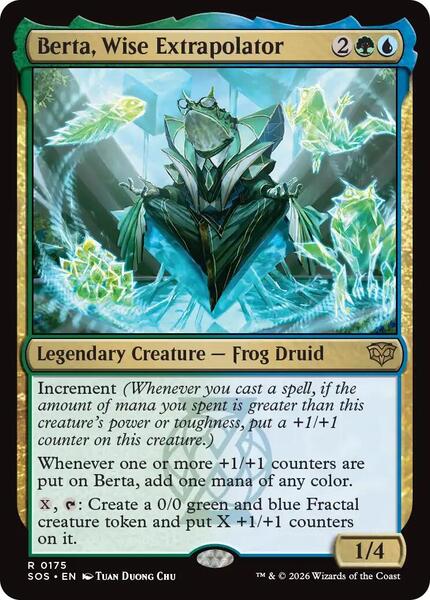
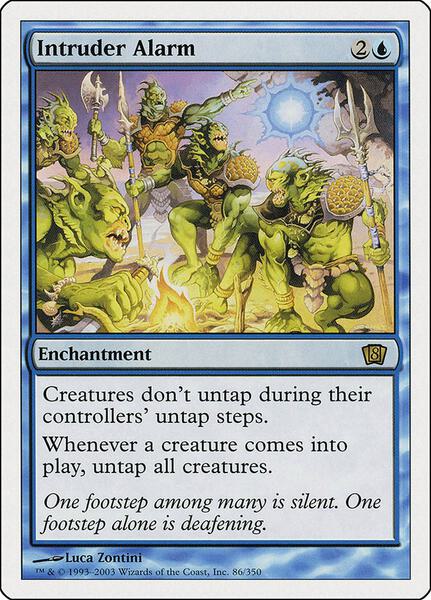
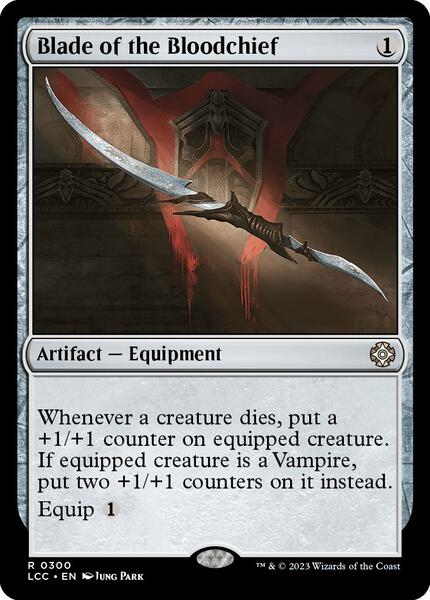
We begin with Berta, Wise Extrapolator, which can go infinite alongside Intruder Alarm. By tapping Berta for X=0, you create a 0/0 Fractal, which immediately untaps Berta via Intruder Alarm. This loop can be repeated as often as you like, letting you win the game in various ways. One elegant option is to equip Blade of the Bloodchief, which puts a +1/+1 counter on Berta every time a 0/0 Fractal dies, which translates into an infinitely large Berta and infinite mana.
Of course, Intruder Alarm can go infinite with almost anything these days, and this combination is unlikely to break into competitive Modern Constructed. But if you’re looking to build a Commander deck around Berta, then this interaction is certainly worth considering.
Blazing Firesinger (Historic)
Market Price: $38.96
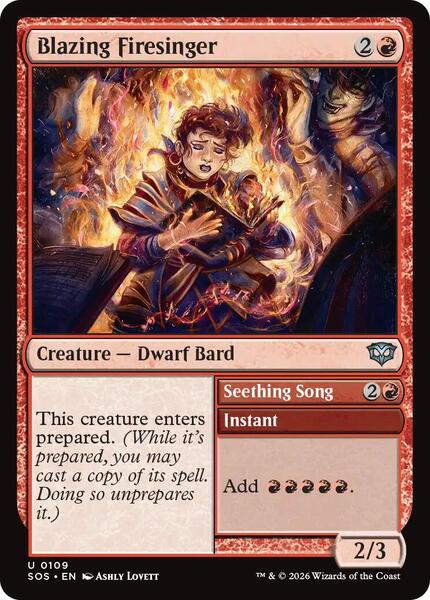
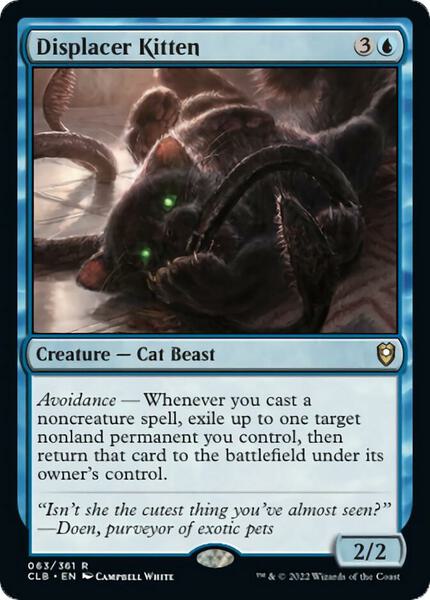
With both creatures on the battlefield, cast the Seething Song. Displacer Kitten then blinks Blazing Firesinger, which re-enters prepared. Use three of the five mana in your pool to recast Seething Song, and repeat the loop for infinite red mana. From there, a finisher like Devil’s Play cleanly closes the game.
This is far from the first combo involving Displacer Kitten. But this one is notably clean and elegant. It’s easy to assemble because both the noncreature spell that sustains the loop and the permanent being blinked are contained within the same card.
Blech, Loafing Pest (Modern)
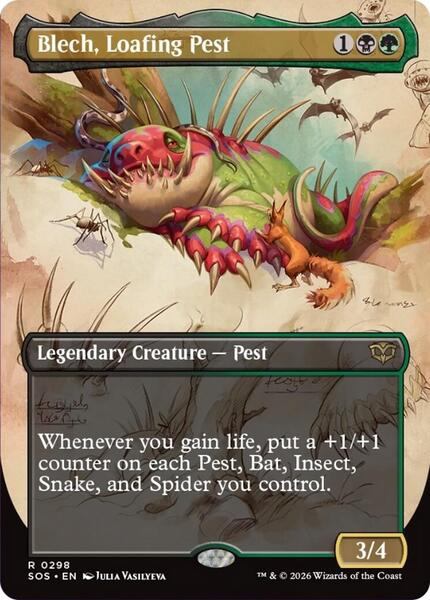
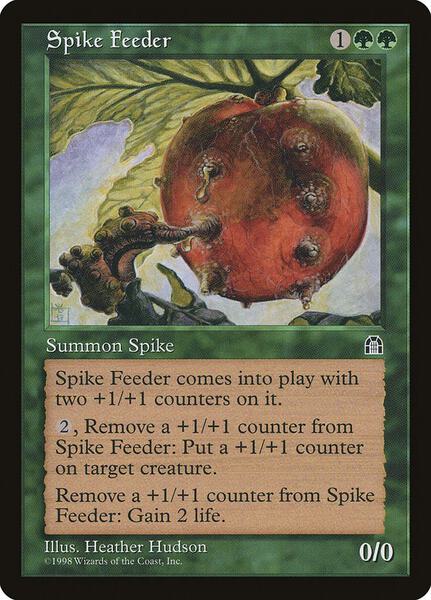
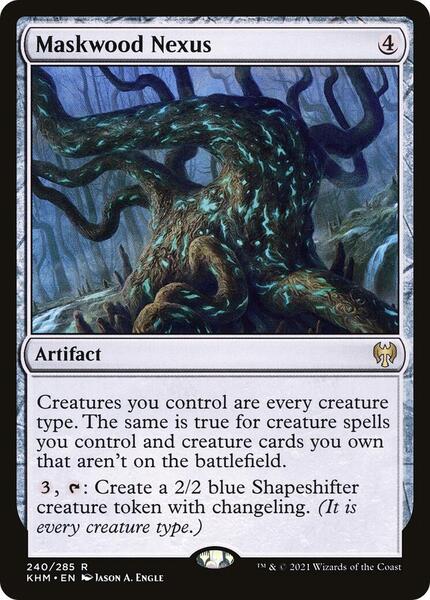
Once Maskwood Nexus turns all of your creatures into Pests, you’re set to go infinite. Remove a +1/+1 counter from Spike Feeder to gain two life, letting Blech put a +1/+1 counter back onto Spike Feeder. Repeat this sequence for infinite life!
This three-card combo is more convoluted than the classic pairing of Archangel of Thune plus Spike Feeder, which is already too clunky for competitive Modern. Still, if you’re building a Commander deck around Blech, Loafing Pest, then cards like Maskwood Nexus can dramatically broaden the range of powerful synergies at your disposal.
Echocasting Symposium (Modern)
Market Price: $11.72
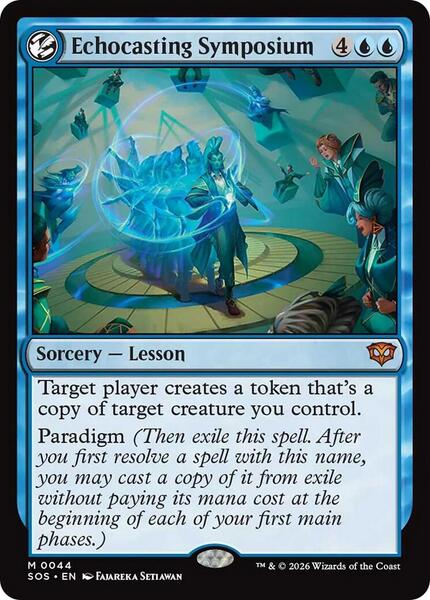
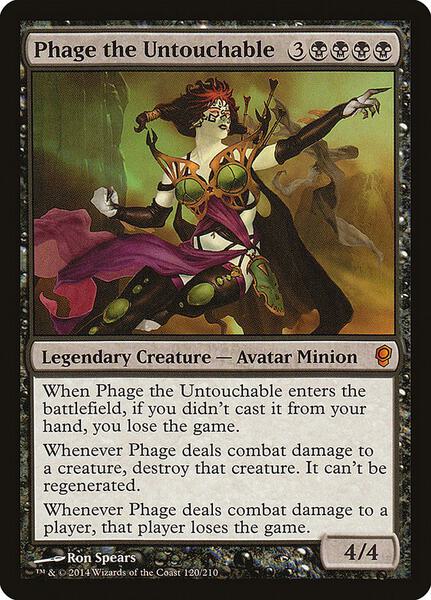
Most copy effects create creatures under your control. And sure, Echocasting Symposium can repeatedly copy your own Timestream Navigator via the Paradigm ability, setting up infinite turns. But this new sorcery stands apart by targeting a player, causing them to create the token instead. It was likely designed that way, so the Paradigm card does not fizzle if the targeted creature is removed in response.
Although the hefty mana cost will likely keep this combo out of Modern tournaments, Echocasting Symposium opens up a delightfully absurd way to win. Cast Phage the Untouchable from your hand, then have your opponent create a copy of Phage. Because it wasn’t cast, they lose the game on the spot!
Fix What’s Broken (Standard)
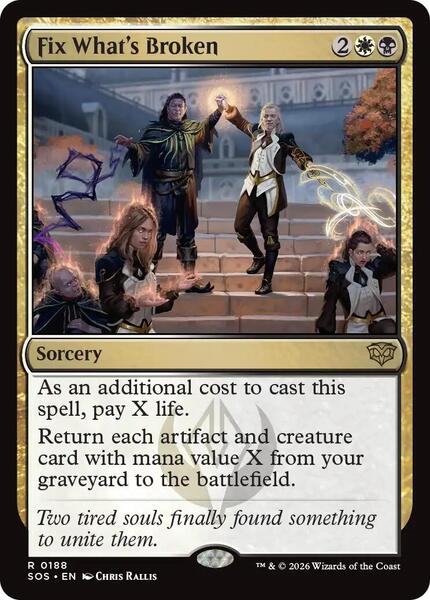
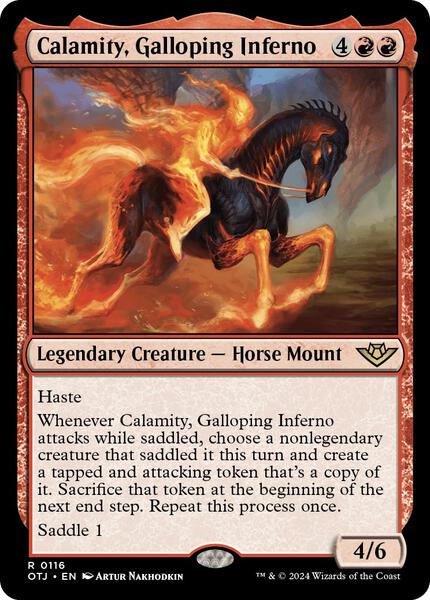

This combo offers a potential turn-four kill in Standard Constructed. After discarding Calamity, Galloping Inferno and Overlord of the Boilerbilges — perhaps via Winternight Stories or Kiora, the Rising Tide — you can cast Fix What’s Broken, pay six life, and return both creatures to the battlefield.
Use Overlord of the Boilerbilges to saddle Calamity, Galloping Inferno, then attack and create two attacking copies of the Overlord. The resulting burst easily exceeds 20 damage. So with the right setup, Fix What’s Broken functions like two copies of Zombify stitched together, which is a very powerful effect and payoff for just four mana. It should be a blast to try in Standard.
Hardened Academic (Standard)
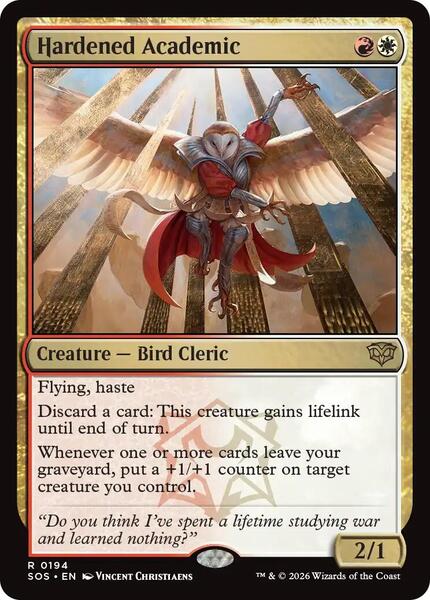
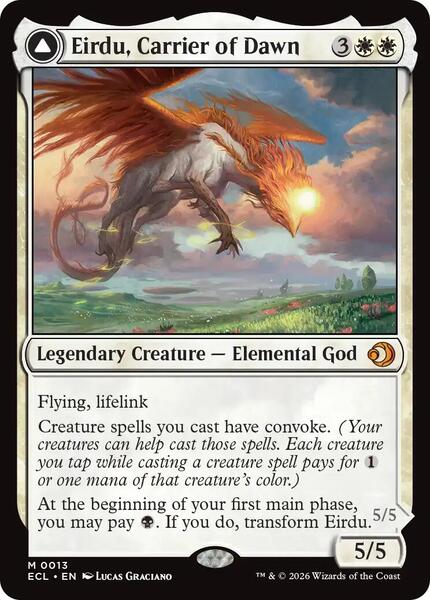
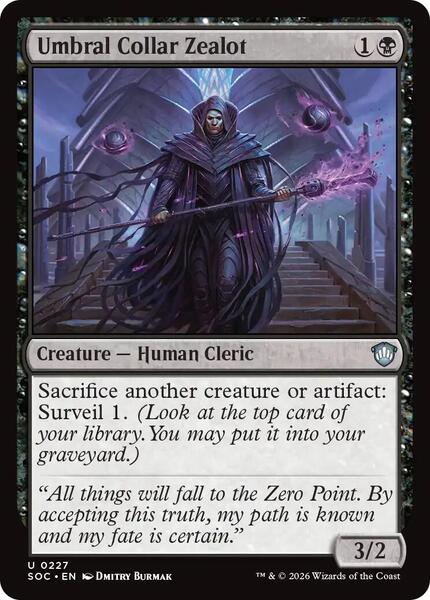
Hardened Academic goes infinite with a persist creature and a sacrifice outlet: When the persist creature returns, it enters with a -1/-1 counter, but since it left your graveyard, Hardened Academic can place a +1/+1 counter on it. These counters cancel out as a state-based action, allowing you to sacrifice the persist creature again and repeat the loop. In Modern, this means that Hardened Academic goes infinite with Viscera Seer and Murderous Redcap.
In Standard, a similar setup is possible with a bit more work. After transforming Eirdu, Carrier of Dawn into Isilu, Carrier of Twilight, your creatures gain persist. Sacrifice any creature with two or more toughness to Umbral Collar Zealot, return it via persist, add a counter with Hardened Academic, and repeat for infinite surveils. You can keep surveiling until you leave Vengeful Bloodwitch or Sephiroth, Fabled SOLDIER on top, which converts the loop into infinite drains on the following turn.
Harmonized Trio (Pioneer)
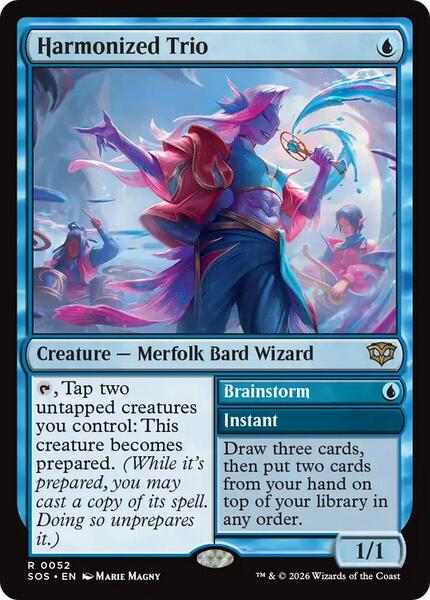
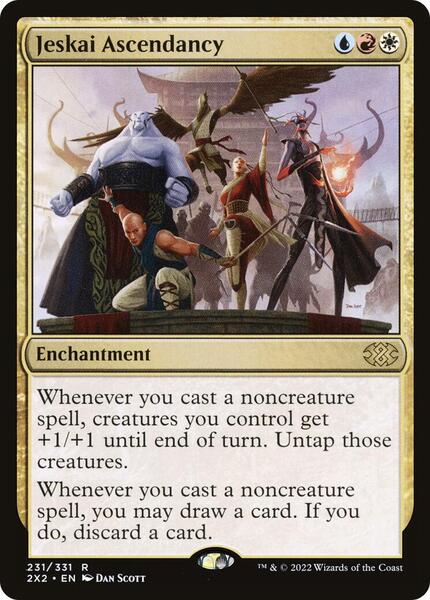
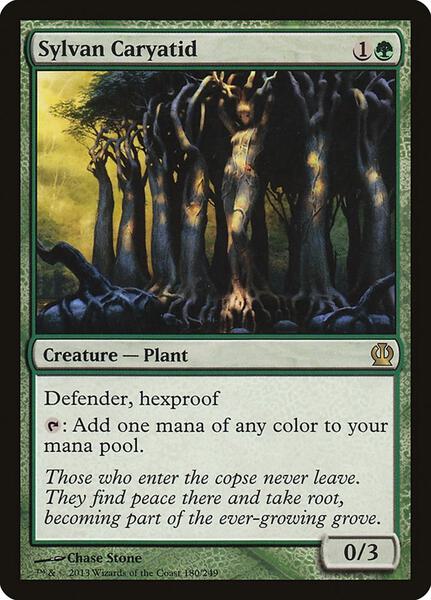
Assuming you control all combo pieces plus two additional creatures — say, Badgermole Cub and an earthbended land — the sequence begins by tapping Sylvan Caryatid for blue mana. Then tap Harmonized Trio alongside two untapped creatures to prepare it, enabling you to cast Brainstorm. This, in turn, triggers Jeskai Ascendancy to untap your creatures and give them +1/+1.
Repeat the process, chaining a nearly endless series of Brainstorm, until you’ve drawn your entire deck. With a massively pumped board, a single attack should then be enough to seal the game. Previously, Jeskai Ascendancy Combo hovered on the fringes of Pioneer Constructed, so a fresh take incorporating Harmonized Trio might prove competitively viable.
Improvisation Capstone (Modern)
Market Price: $17.62
Market Price: $21.58
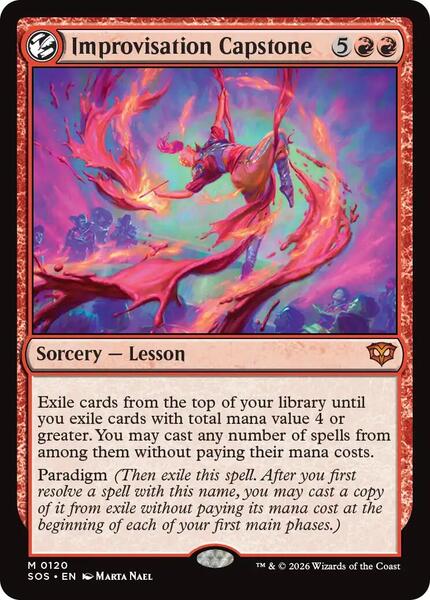
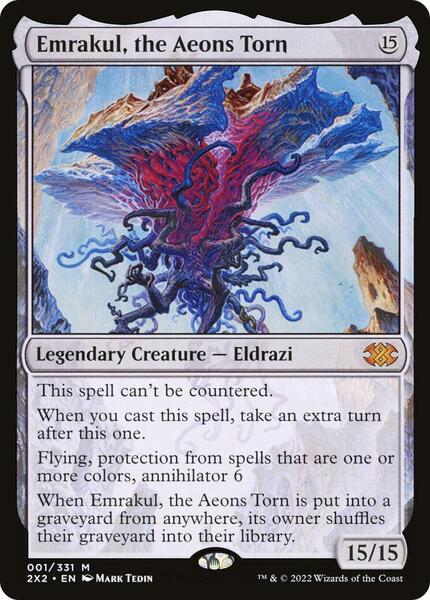
Improvisation Capstone is a fascinating design. In the right shell, if you can guarantee casting Emrakul, the Aeons Torn, it effectively becomes a one-card win: you take an extra turn and then annihilate your opponent with Emrakul. Yes, seven mana is a steep price, but the same is effectively true for Goblin Charbelcher, and a zero-land Tameshi Charbelcher deck won the last Modern Pro Tour.
To build a suitable Modern deck around Improvisation Capstone, nearly every card with mana value greater than zero should be either Emrakul, the Aeons Torn or a Time Walk effect, as Paradigm lets you exile deeper into your library each upkeep. A dense package of zero-cost cards, such as Everflowing Chalice, Lotus Bloom, and Sol Talisman, can offer ramp. And three Utopia Sprawl can also be included without adding any risk of whiffing. To win before our opponent’s fourth turn, Savor the Moment and Time Warp can help bridge the gap to seven mana. Rounding out the list would be Profane Tutor to find Improvisation Capstone more consistently, alongside a couple of Emrakul, the Aeons Torn, as the inevitable finishers. Likely four copies, to unlock Ugin’s Labyrinth as a two-mana land.
This brew would require careful tuning and lacks the blue countermagic that Tameshi Charbelcher uses for protection. But it presents a compelling deck-building puzzle, and perhaps there may be fringe competitive potential.
Mathemagics (Limited)
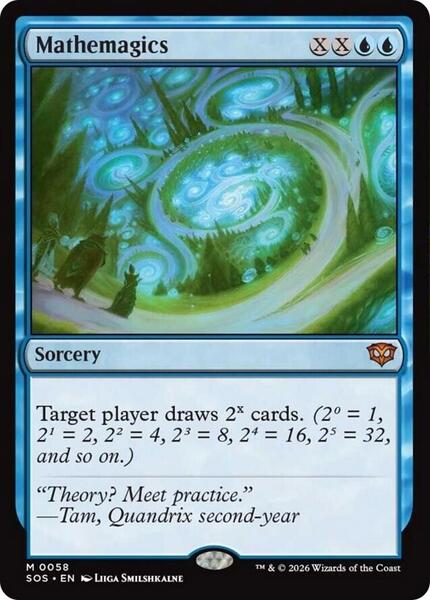
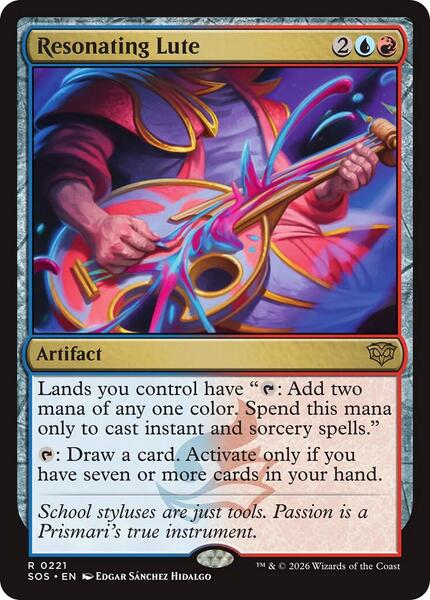
As a lifelong student of both mathematics and Magic, I am deeply enamored with Mathemagics. It’s a masterclass in elegant design: it provides a lesson on the sheer velocity of exponential growth, it offers a glimpse into the binary foundations of computing, and it scales with beautiful efficiency. While it serves as a respectable card draw spell in the early game, it quickly transforms into a win condition when aimed at an opponent.
In Limited, 12 mana is typically sufficient, as forcing your opponent to draw 32 cards should deck them out on the spot. A curve of turn-four Resonating Lute into a turn-six Mathemagics for X=5 makes this two-card combo a surprisingly realistic line to keep in mind while drafting.
You likely need 14 mana in Standard and 16 in Commander, but those amounts are still attainable through Resonating Lute. It’s a plausible inclusion in Jeskai Control shells in Standard, for example. In another Standard archetype, Radiant Lotus might offer an alternative route for reaching 14 mana. In any case, Mathemagics is Quandrix design at its peak, and I love it.
Molten-Core Maestro (Legacy)
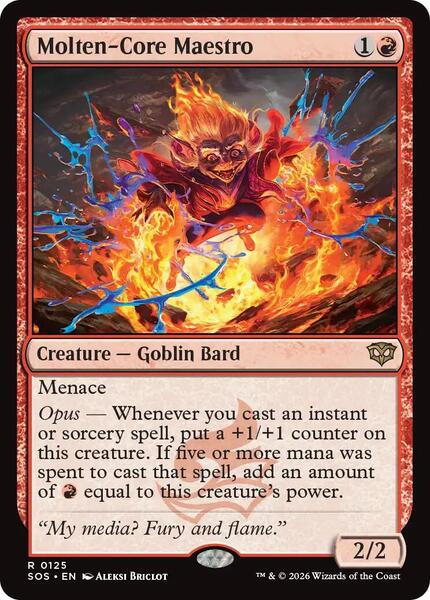
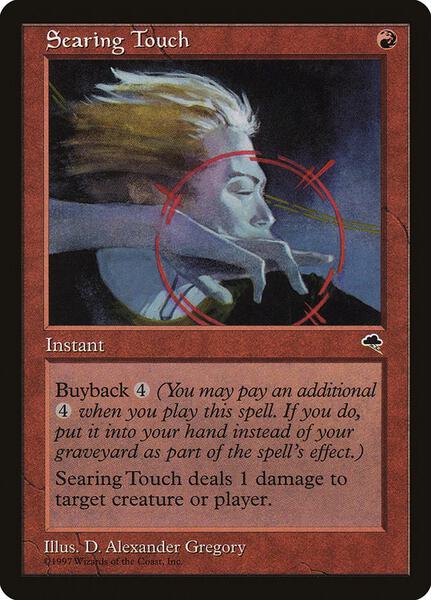
Suppose you’ve grown Molten-Core Maestro into a 4/4, likely by casting two cheap instant or sorcery spells while using its Opus ability. From there, cast Searing Touch with buyback, dealing one damage to your opponent.
Because you spent five mana to cast an instant or sorcery, Molten-Core Maestro triggers, growing to a 5/5 and adding five mana. That’s enough to recast Searing Touch, and the Maestro will keep growing. It’s a self-sustaining loop that produces infinite mana, an infinitely large Maestro, and infinite damage.
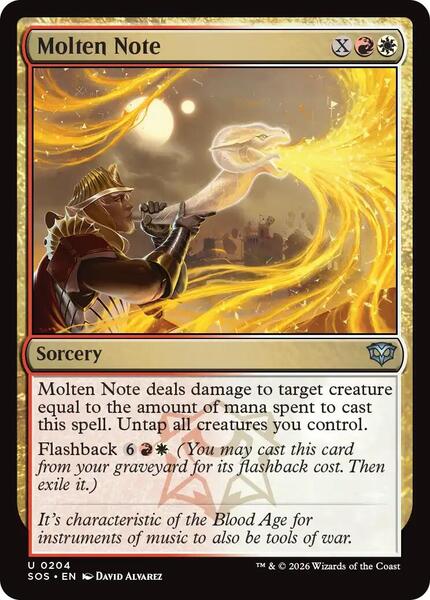
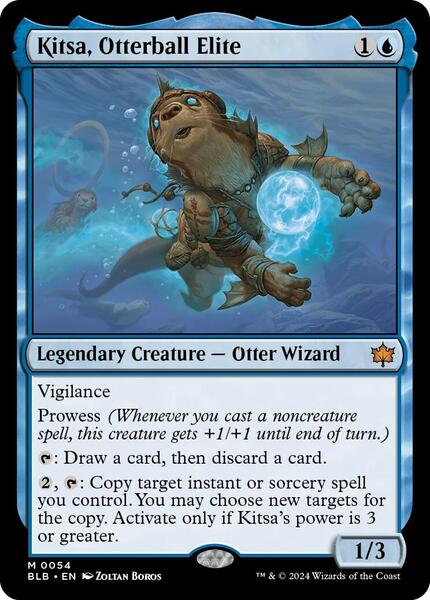
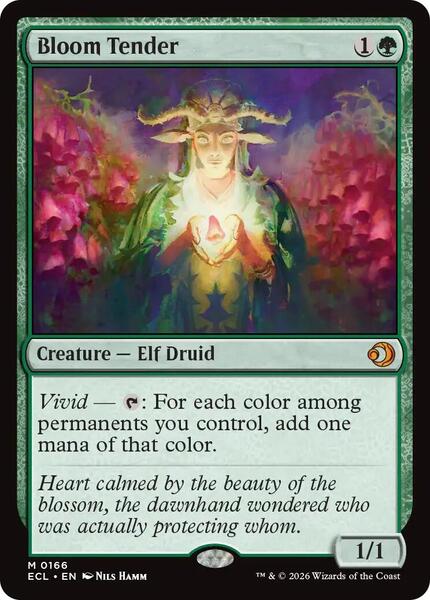
Molten Note (Standard)
Market Price: $12.78
Any spell that untaps all creatures catches my attention, and Molten Note is no exception. Start the turn with Opt to grow Kitsa, Otterball Elite’s power via prowess, then tap Bloom Tender for at least two mana. Next, cast Molten Note, increasing Kitsa’s power to three.
With the spell on the stack, even for X=0, you can tap Kitsa to copy it, untapping both Kitsa and Bloom Tender. Hold priority, tap both creatures again, and loop for infinite untaps. By itself, you’re just spinning your wheels, but if you add any white or red permanent, then Bloom Tender taps for three, and you can reach infinite mana. A card like Kindlespark Duo would also yield infinite damage.
While this three-card setup is too clunky for competitive Standard, it is still a fun engine to imagine assembling.
Pensive Professor (Pioneer)
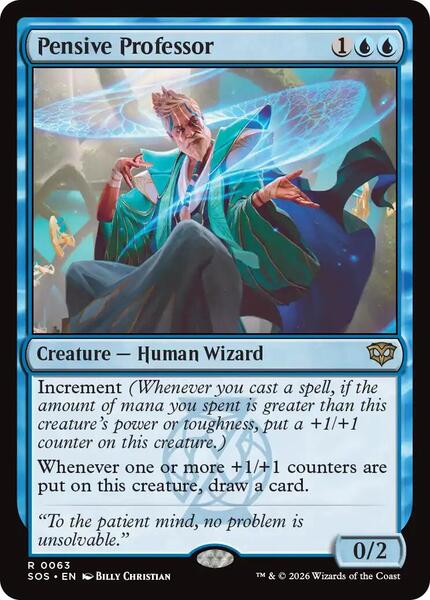
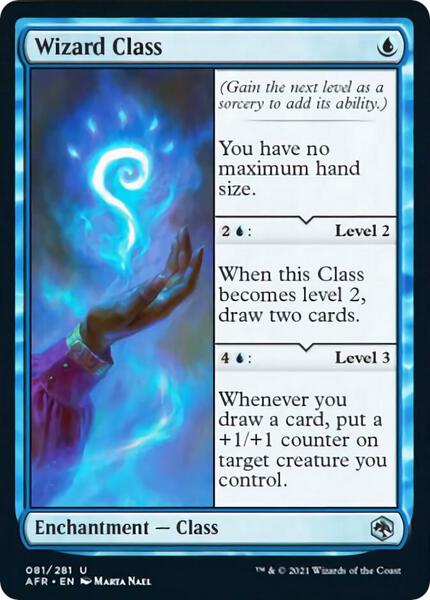
After leveling Wizard Class to Level 3, you’re ready to combo off with Pensive Professor. To initiate the loop, put a +1/+1 counter onto Pensive Professor, either by casting a spell or drawing a card.
That counter triggers Pensive Professor to draw a card, which in turn triggers Wizard Class to put a +1/+1 counter onto it. Repeat this sequence until you’ve drawn your entire deck, or nearly all of it. Once you’re ready to stop, have Wizard Class place a +1/+1 counter on another creature to stop the loop and avoid decking yourself. If you did not already have another creature, then Fractal Anomaly — another new Secrets of Strixhaven card — can fill that role.
From there, you can close the game in a variety of ways. You can attack with an enormous Pensive Professor, cast Thassa’s Oracle, or sacrifice your Fractal Anomaly token to Thud for lethal damage. To me, Fractal Anomaly plus Thud stands out as an elegant new way to win the game after drawing your entire deck in a single turn.
Planar Engineering (Standard)

Market Price: $13.11
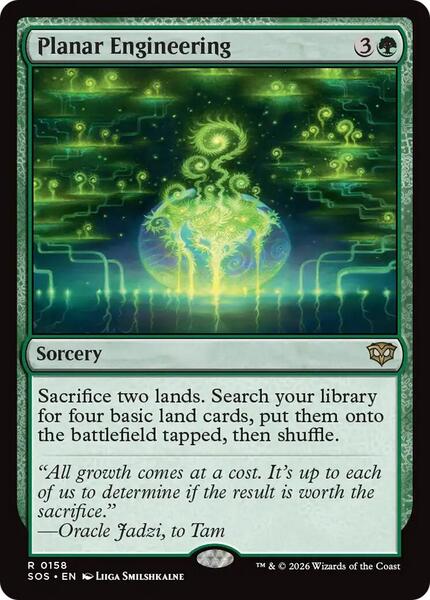
We have never seen a land search card this efficient. Planar Engineering generates four landfall triggers on its own, and if you add a normal land drop on turn four, that becomes five total landfall triggers in a single turn.
A turn-three Mossborn Hydra can then double its size five times on the following turn, becoming a 32-power trampler. This two-card combo could slot naturally into the popular Mono-Green Landfall archetype in Standard, so there’s real potential here.
Pox Plague (Standard)

Market Price: $36.34
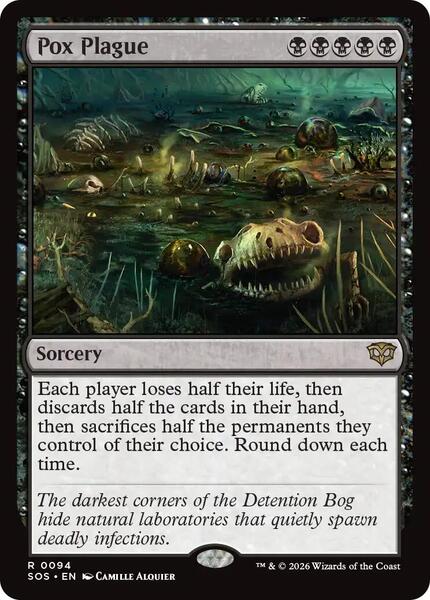
If your opponent is at an even life total, a turn-four Bloodletter of Aclazotz followed by a turn-five Pox Plague will cause them to lose all their life on the spot. If they happen to be at an odd life total, then they will be left at one life because Pox Plague rounds down. However, Bloodletter of Aclazotz can likely finish the job with a single attack.
A similar style of combo has already existed with Unstoppable Slasher and has seen competitive play; Pox Plague may offer valuable redundancy for this kind of combo-oriented strategy. The main constraints are committing to a mono-black mana base and breaking the symmetry on Pox Plague as an individual card, for instance, by pairing it with token producers. I would rate its competitive Standard prospects as low, but perhaps a clever deck builder can break it.
Professor Dellian Fel (Standard)
Market Price: $13.60
Market Price: $35.66
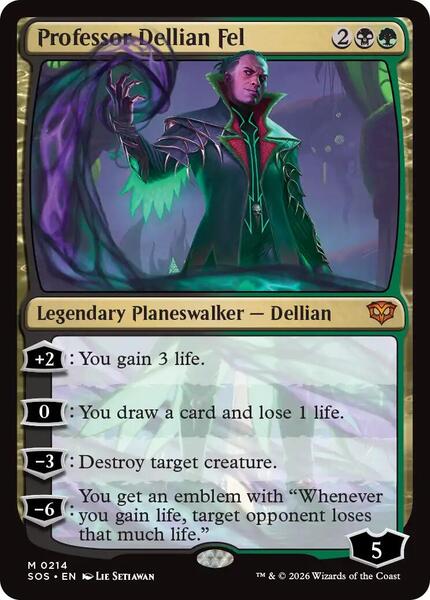
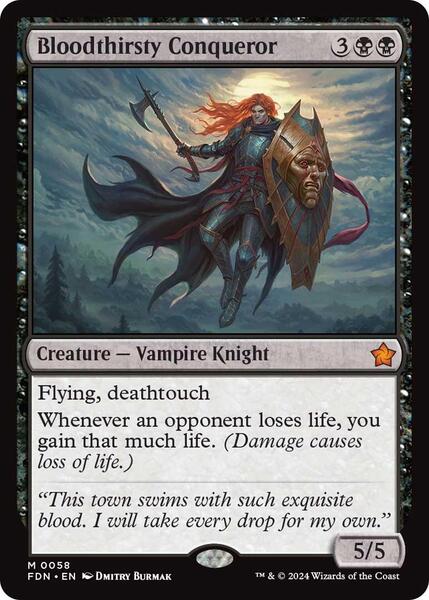
With Professor Fel’s emblem in play, whenever you gain life, your opponent loses that much life. This in turn, triggers Bloodthirsty Conqueror, which causes you to gain that same amount of life. The result is a self-sustaining loop that escalates into infinite life drain.
While Professor Dellian Fel is not the first card to combine with Bloodthirsty Conqueror in this way, it stands out as a powerful standalone planeswalker. It has an easy-to-reach ultimate and a set of loyalty abilities that reminds me of Jace, the Mind Sculptor. In a green-black midrange deck, Professor Dellian Fel looks like a solid inclusion, and then Bloodthirsty Conqueror could be added as a suitable win condition.
Rapturous Moment (Pioneer)
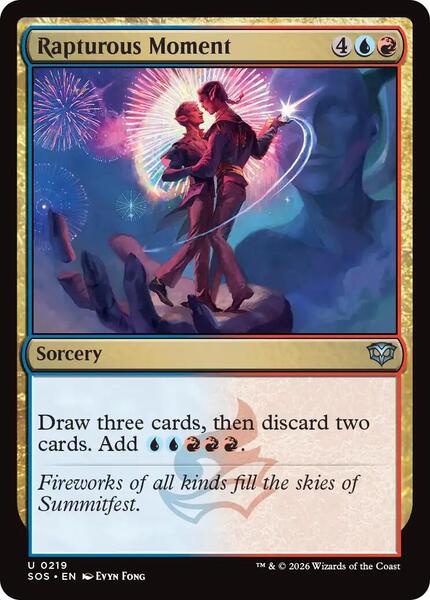
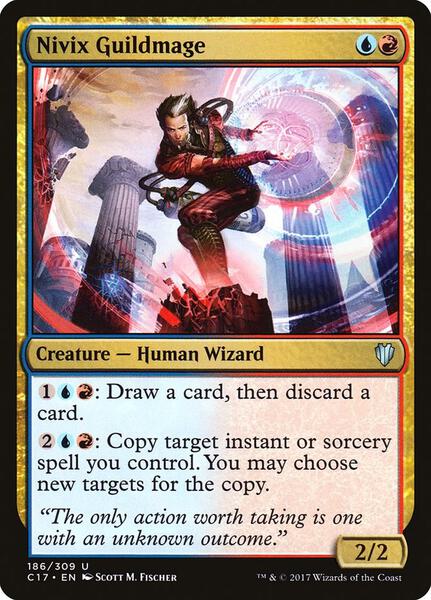
We do not often see spells that generate five or more mana, but Rapturous Moment does exactly that. With it on the stack, you can activate Nivix Guildmage to copy it, generating five mana. Do not let the original Rapturous Moment resolve yet, but instead, activate Nivix Guildmage again. Repeat the process to draw your entire deck while accumulating a substantial mana surplus. From there, Thassa’s Oracle (or Fractal Anomaly plus Thud) can close the game.
In terms of competitive applications, the main challenge is that the loop requires ten mana to start, which is a steep threshold. Still, it is a fun engine to imagine assembling.
Sanar, Unfinished Genius (Modern)
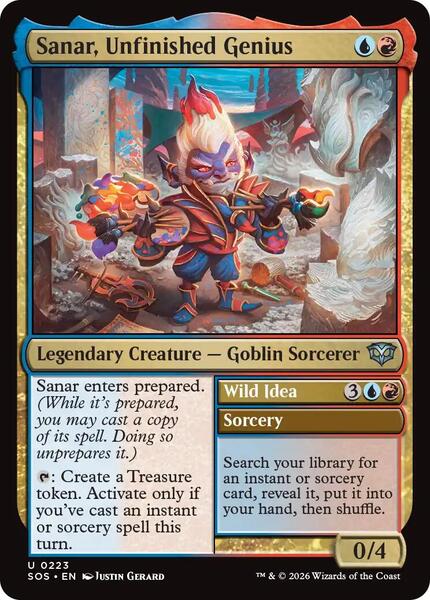
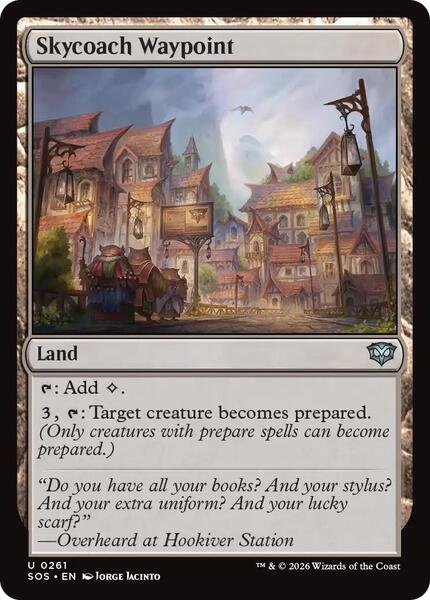

This is another combo that demands far too large an upfront mana investment to impact competitive formats realistically, but it’s a sweet one to consider for a Commander deck built around Sanar, Unfinished Genius.
The sequence is straightforward. With a prepared Sanar, you cast Wild Idea to find Nexus of Fate, then cast Nexus of Fate to take an extra turn and shuffle it back into your library. Finally, use Skycoach Waypoint — another new Secrets of Strixhaven card — to re-prepare Sanar. Repeat this process for infinite turns!
Spiritcall Enthusiast (Pioneer)
Market Price: $11.00
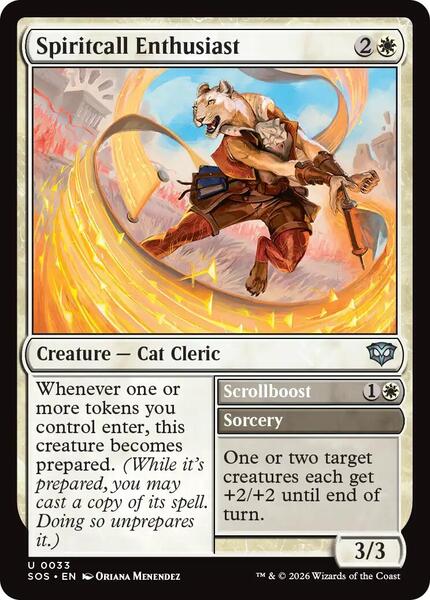
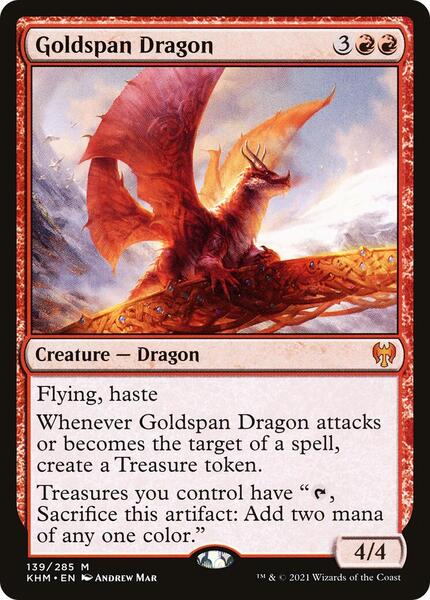
With a prepared Spiritcall Enthusiast on the battlefield, cast Scrollboost to pump both Spiritcall Enthusiast and Goldspan Dragon. Casting the spell unprepares Spiritcall Enthusiast, while also triggering Goldspan Dragon to create a Treasure token that sacrifices for two mana of any one color. When that Treasure enters, Spiritcall Enthusiast becomes prepared again, allowing you to repeat the loop as many times as you like.
The result is two infinitely large creatures. To secure the win, simply move to combat.
Witherbloom, the Balancer (Modern)
Market Price: $15.30
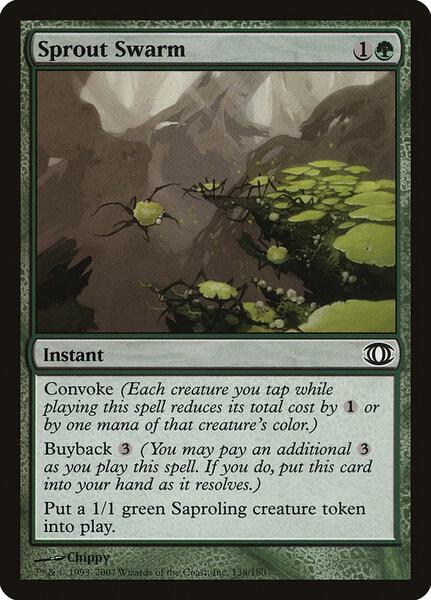
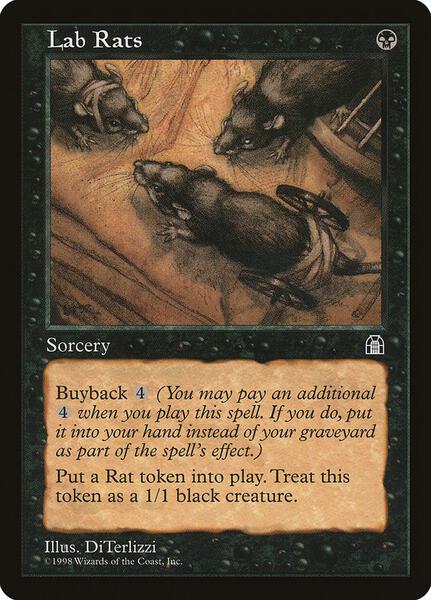
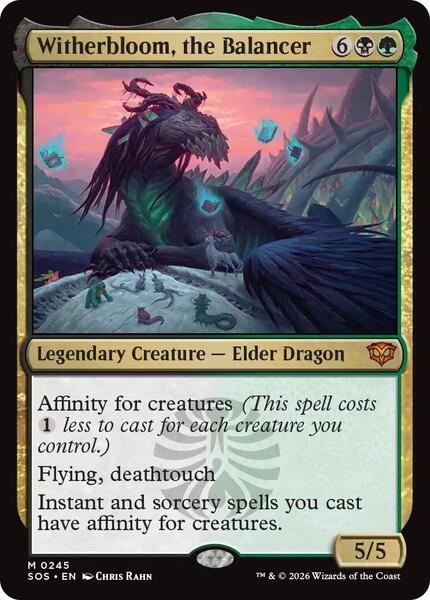
Witherbloom, the Balancer gives your instants affinity for creatures, which is a powerful ability. With Witherbloom and four other creatures on the battlefield, the cost to cast Sprout Swarm with buyback reduces to a single green. And thanks to convoke, tapping a green Saproling creature token can help pay that cost, reducing it to zero.
So with that setup, this two-card combo creates infinite tapped Saproling tokens. They then threaten to attack for the win on the following turn. Lab Rats offers a similar result, but with a pile of Rats on the battlefield instead.
Yavimaya Bloomsage (Modern)
Market Price: $20.00
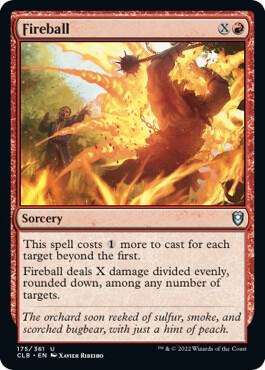
What better way to close the article than with one of the earliest game-breaking combos in Magic history? Once upon a time, you could open with Mountain, play Black Lotus, cast Channel, generate 19 colorless mana, and point a lethal 20-damage Fireball at your opponent for a turn-one kill. The website ChannelFireball.com, where you can find the best high-level Magic strategy and content, was named after this powerful finish. And with the release of Secrets of Strixhaven, we get to revisit a novel take on this classic combo.
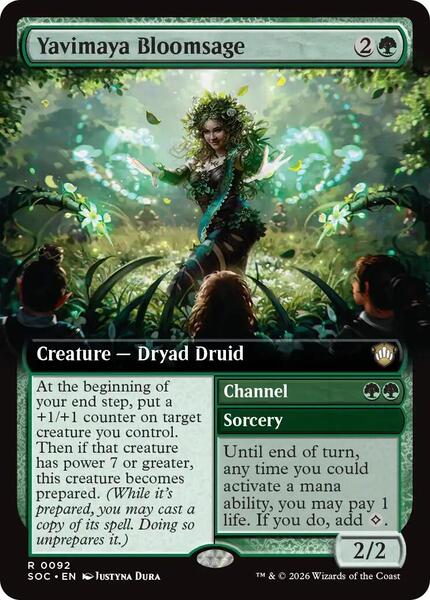
To be fair, Yavimaya Bloomsage requires some setup, since it needs a seven-power creature to become prepared. By contrast, Channel offered an immediate and overwhelming burst of mana so early that it was eventually banned in every format except Vintage and Timeless. Still, once Yavimaya Bloomsage is prepared, you can fire off: Fireball is legal in Modern, while alternatives like Worldsoul’s Rage can serve the same role in Standard or Pioneer. Channel-Fireball has returned!