Bringing the anti-hero to a Commander table near you.
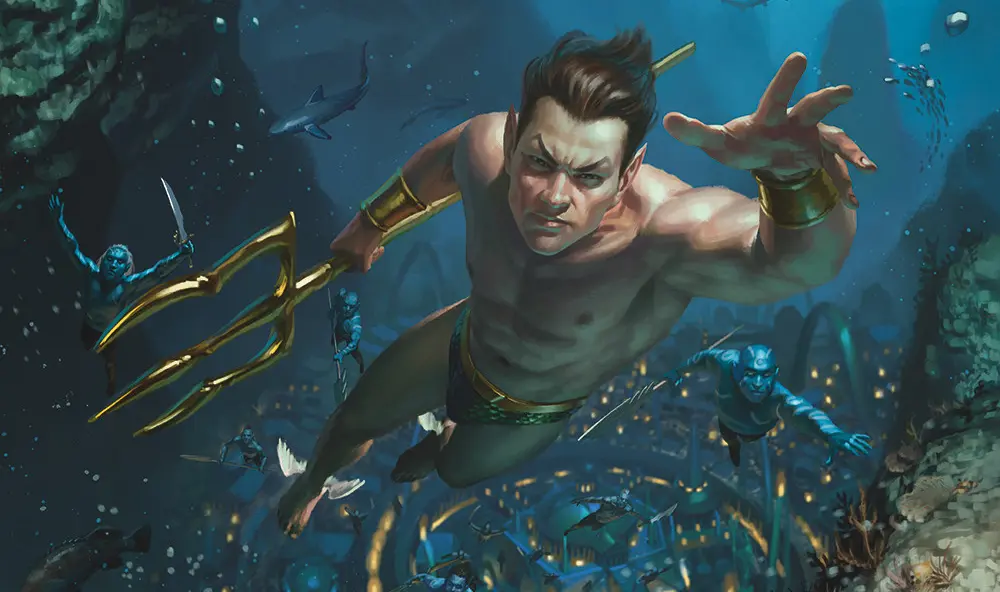
We’re back again with another Commander Bestiary, but this one is dwelling within the deep blue sea. Merfolk decks didn’t look so spellslinger-y until the printing of Namor the Sub-Mariner in Marvel Super Heroes, and this fan-favorite anti-hero from the comic books is our topic for today.
Per usual, I’m going to give you a little bit of his lore, walk you through his strengths and weaknesses, how we enhance and mitigate those factors respectively, and how we’d ideally win the game.
Marvel’s First Anti-Hero
Namor the Sub-Mariner
Marvel Super Heroes, Mythic
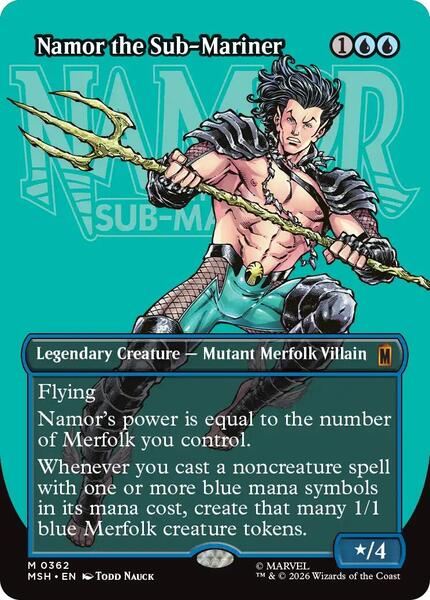
Namor debuted in Marvel Comics #1 dating back to 1939 as royalty of Atlantis. This preceded what would be Marvel Comics as we know it now and was extremely popular. During the Golden Age of Comic Books, 1938 to 1956, he was considered Timely’s top three characters. He was alongside Captain America and the Human Torch.
Namor is also described as the first comic book anti-hero. He was portrayed as both good-natured but also short-fused. He was often hostile about the perceived wrongs of surface-dwellers to his Atlantean kingdom. As a result, he was often trying to seek vengeance. This duality continued as he both served as an ally and enemy of the Avengers, the Fantastic Four, the Defenders, and even the X-Men. He is the definition of someone who has dubious — or questionable — moral compass, but still embodies elements of a traditional hero.
It makes sense that his Magic card would have power equal to the number of Merfolk you control, since he is a leader of Atlantis, a paradise for Merfolk. It also makes sense that he would make more Merfolk, an army, as he rallies resources — casting noncreature spells.
Printing Out Creatures
Namor’s strength and weakness are one and the same, why play creatures cards when you can create them? There is a low creature count in this deck, coming up at only 16 creatures in the entire deck. The reason for this is because taking almost any other game action in the deck, churns out even more Merfolk. They become chump blockers, resources to convoke with, and to push for a big swing. These Merfolk are created passively by casting spells that are heavily blue-pipped.
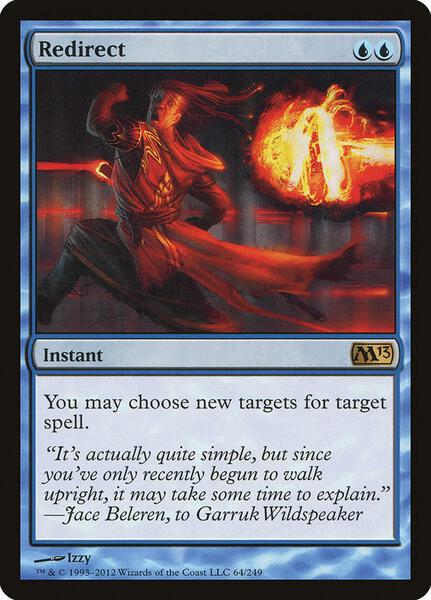
It is difficult however, not to see how other players might want to remove Namor if he’s creating so much value. Spells like Slip Out the Back and Redirect are good ways to protect Namor while churning more Merfolk. That doesn’t mean players won’t stop trying to take out your engine, though.
He’s very susceptible to board wipes, because it takes a lot of mana to make your Merfolk tokens. It snowballs more as the game goes along, but you need a lot to make a dent on your enemies. Five pips worth of spells could be difficult, mana wise over the course of a few turns, but without something buffing our Merfolk, that’s not a win condition.
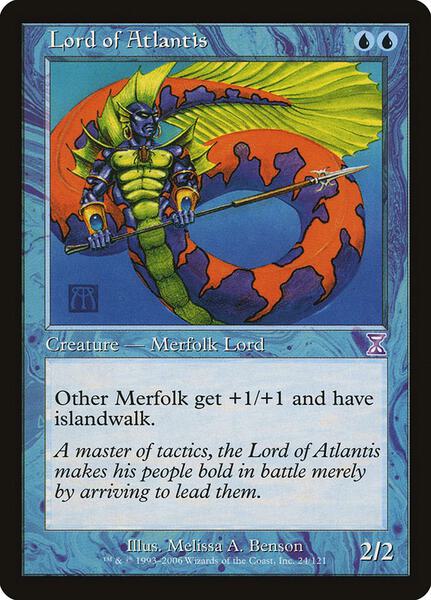
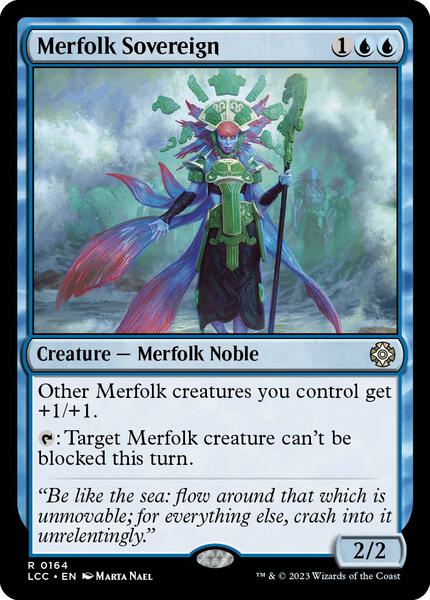
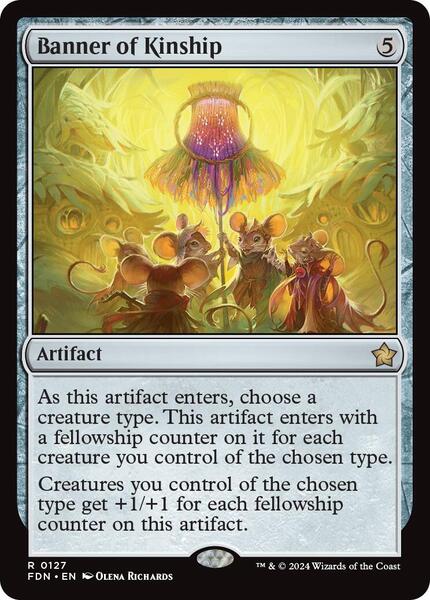
We’re running Lord of Atlantis, Vodalian Hexcatcher, and Merfolk Sovereign in the deck because it helps boost the creatures from 1/1s to 2/2s or even 3/3s. We’re also running Banner of Kinship as a way to buff the board more substantially. Being able to get +1/+1 for each Merfolk in play when it enters, is going to be a game-ender. Surprise, most of the deck is comprised of Merfolk (even without the tokens).
Move Fish, Get Out Tha Way
One of the problems to solve here is how to close out the game. You’ve made a butt-load of Merfolk but they’re all small and you can’t seem to get in for enough damage. Making them grow with various anthem effects is just going to result in a decent amount of chump blocking until someone can sweep them away.
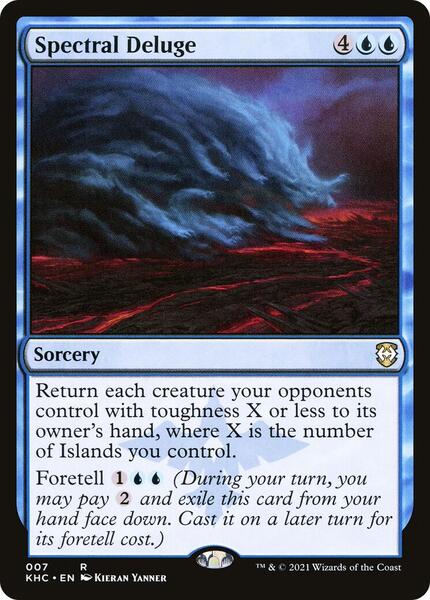
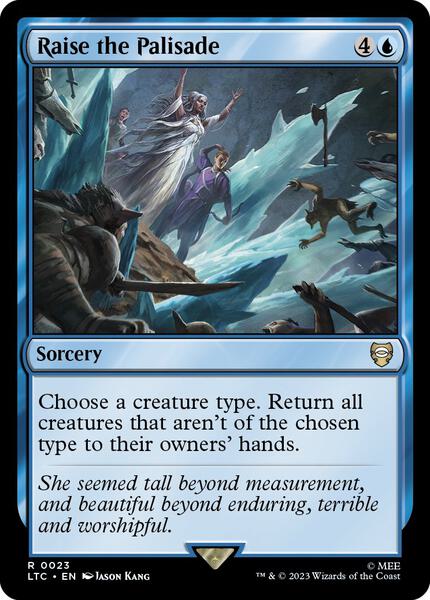
Inundate, Spectral Deluge, and Summon: Leviathan are all cards you can play in the late-game to bounce creatures that aren’t blue, with low toughness, or aren’t Merfolk respectively to their owner’s hands. This allows for an honest yet clean attack on players. Some of those spells even trigger Namor to make even more Merfolk. Managing that and Banner of Kinship or an anthem effect could be game-ending.
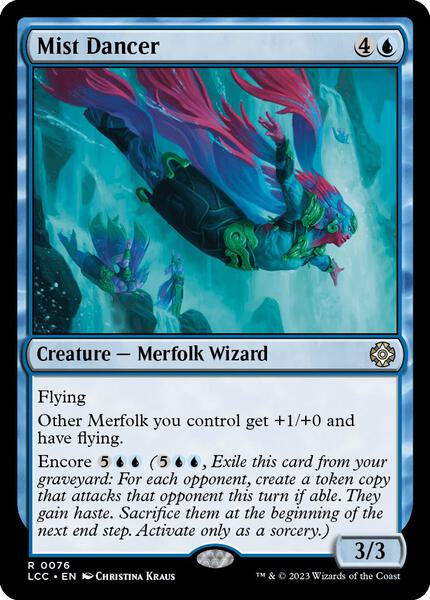
Giving evasion in the form of Mist Dancer or Deepchannel Mentor, or flying or unblockable respectively is another way to guarantee the damage once you’ve built up your board. This is really important to finish off the table.
Heavy Tides of Draw, Crashing of the Mana

Market Price: $26.60

Market Price: $53.57
In most spellslinger decks, the key to success is mana leading into spells that draw cards, hopefully leading to more mana or even more card draw. The win should be in there somewhere too, and not having red means mana is a little bit of a problem here.
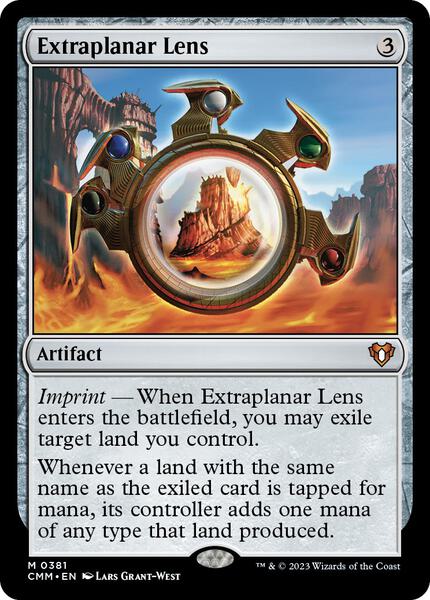
To solve this, we’re running Extraplanar Lens with every basic in the deck being Snow-Covered Islands to double mana production without doubling others. This guarantees that you can explode on mana around turn four or five. Throne of Eldraine is another good mana option that increases the amount of mana you can produce during any turn.
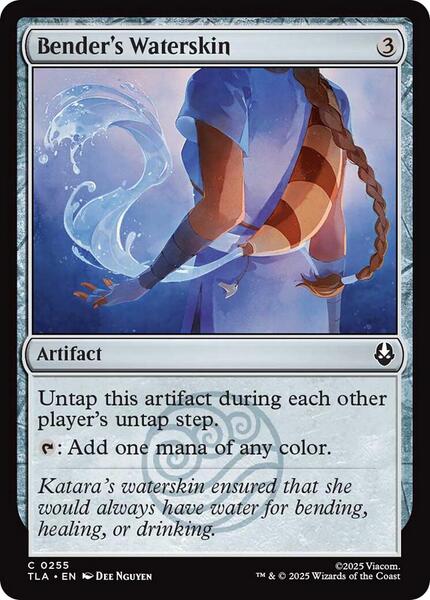
Phyrexian Altar and Bender’s Waterskin are in here as well. Phyrexian Altar turns the Merfolk tokens into more blue mana which can create even more Merfolk if needed. Bender’s Waterskin is huge here because much of the action happens at instant speed, and each turn that nets you an additional mana is more Merfolk you can make in a turn. Sapphire Medallion is a good mention here too, reducing each spell by one mana over the course of the turn.
Nykthos, Shrine to Nyx and Three Tree City are another way to produce a boatload of mana. For Nykthos’s benefit, the deck is heavily pipped with blue permanents, allowing Nykthos to tap for a lot more than the activation. The deck doesn’t run that many permanents however, so it’s not as good as Three Tree City. Tapping for the amount of Merfolk in play is really great in this deck with the sheer amount of tokens you’re able to put into play.
Turn the Tide With Even More Card Draw
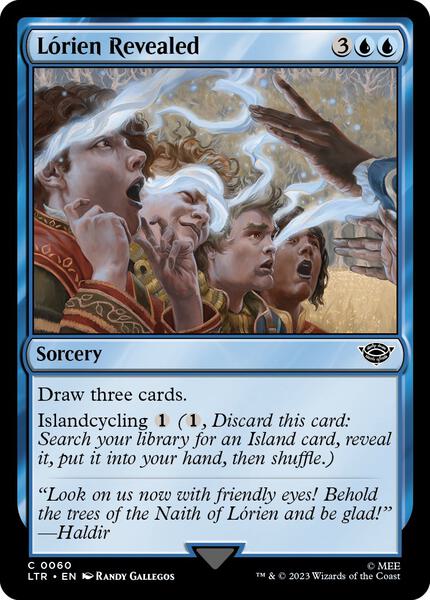
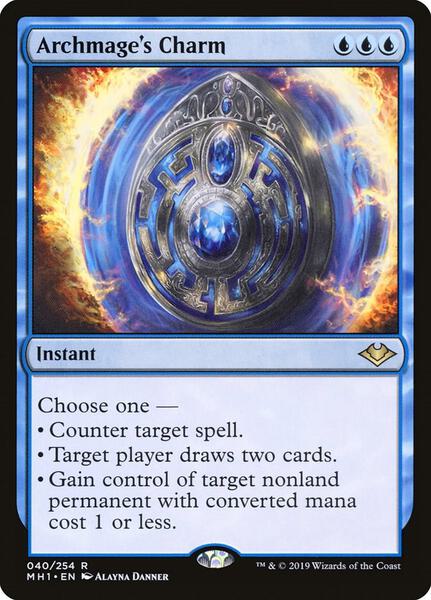
Blue Sun’s Zenith, Commander’s Insight, and Even the Score are all heavily-pipped draw spells that, at the right time, can put a lot of Merfolk into play and fuel a storm win on your turn. The only thing better than this would be Transcendent Message and Harmonized Crescendo which come with convoke. The Merfolk you make are blue so they can pay the entirety of these spells. These spells are heavy blue in mana cost, so make even more Merfolk.
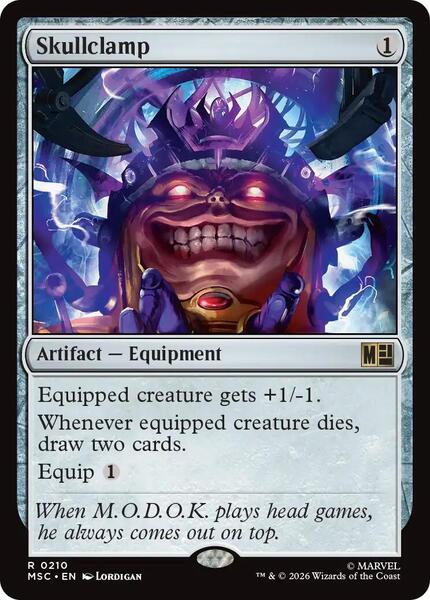
Skullclamp is a good way to draw some cards and do it over and over again. By attaching this to a 1/1, it dies instantly from getting +1/-1 and draws you two cards all for a couple of mana. Kindred Discovery is another low-effort card engine in this deck, as whenever you create a Merfolk token by casting a heavily pipped spell, you can draw more cards in the process. It’s not a may ability either, and triggers upon whenever a creature of the chosen type enters play or is attacking. So, do be careful to not deck yourself!
How to Become the Lord of the Seven Seas
Market Price: $10.58
Market Price: $12.51
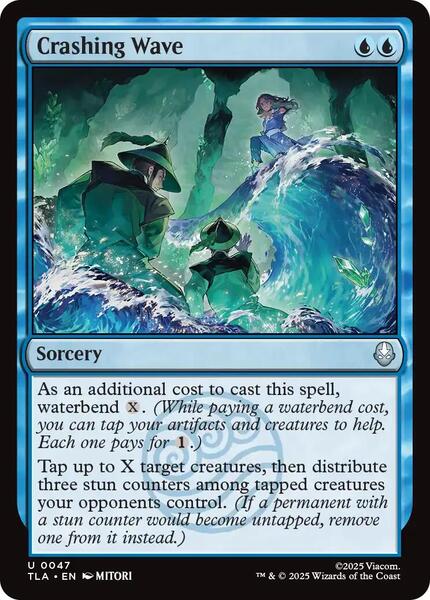
It’s going to be a game of playing a land and passing the turn, which is fairly common for a blue deck in Magic. The deck wants to play at instant-speed, be reactive and gain value from passively creating Merfolk tokens. You want to control the board enough to keep you from losing. Draw some cards, make some mana, make some Merfolk, and bide your time. When the time is right, slam an Raise the Palisade and a Master of the Pearl Trident together. Hopefully, you can swing in and get the damage you need to secure the win.
You’re going to need to hold An Offer You Can’t Refuse or a Pongify for cards in Cyclonic Rift or an Elesh Norn, Grand Cenobite that utterly hoses the deck. And with that, you should be able to conquer the seven seas with Marvel’s most popular anti-hero.